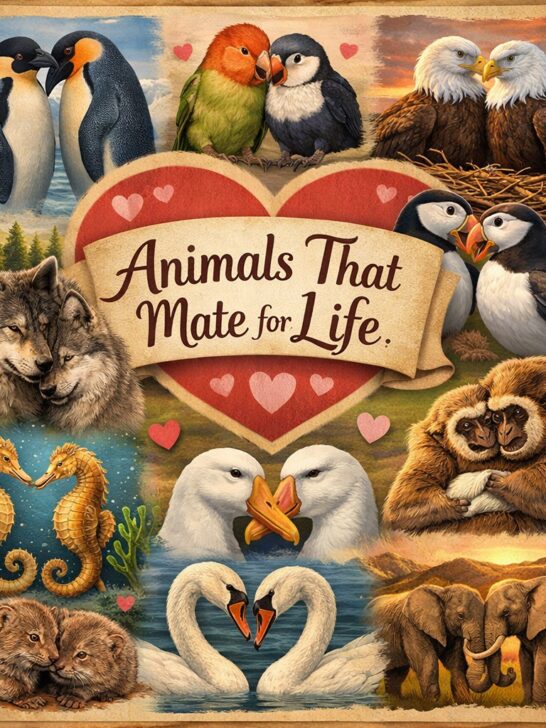
Monogamy is rare in the animal kingdom. Scientists estimate that fewer than 10% of mammals form long-term pair bonds, while birds dominate this category, with nearly 90% showing some form of social monogamy.
“Mating for life” doesn’t always mean exclusivity in every situation. In biology, there are two key forms:
- Genetic monogamy – partners reproduce only with each other.
- Social monogamy – partners live together, raise offspring, and share territory, though occasional extra-pair mating may occur.
Below is a carefully researched list of animals known for forming lifelong or near-lifelong partnerships, explaining how each species bonds, survives, and raises young together.
Monogamy is a social or mating system where two individuals form an exclusive bond. When that bond lasts for many years—or for life—it’s called lifelong partnership. In nature, this isn’t about romance; it’s about survival, cooperation, and raising offspring successfully.
Post Contents
Birds That Mate for Life
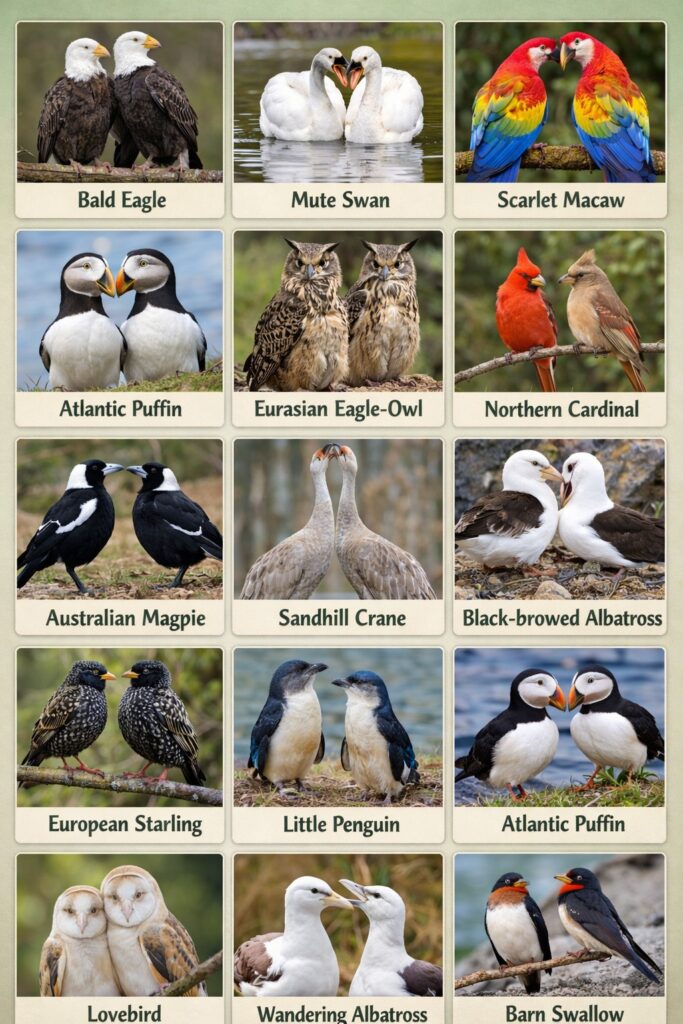
Birds that mate for life offer some of the most beautiful examples of loyalty in the natural world. While not all birds form permanent bonds, certain species build partnerships that last for years—or even a lifetime—sharing parenting duties, defending territory together, and reuniting season after season. These enduring relationships are driven by survival, cooperation, and deep behavioral attachment, making lifelong bird pairs a fascinating reminder that commitment isn’t just a human trait—it’s written into nature itself.
Albatross
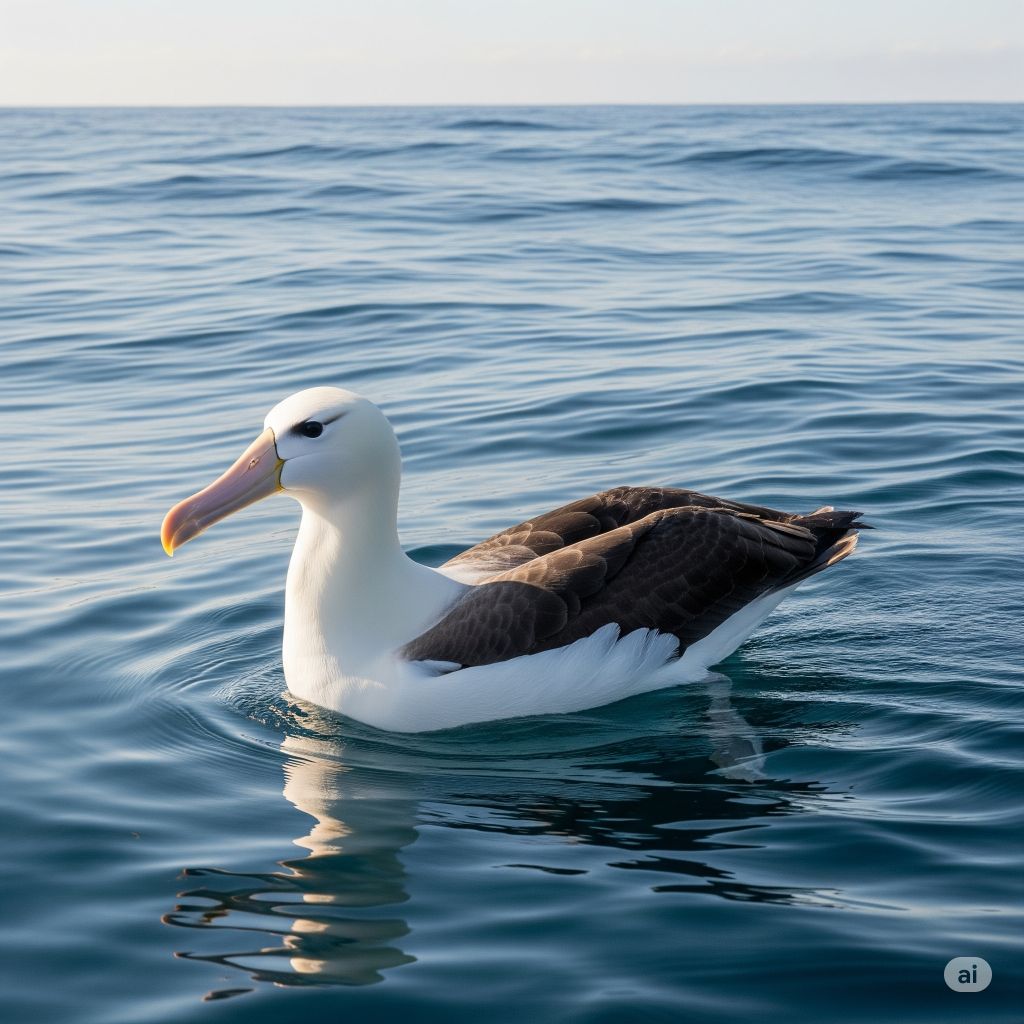
Albatrosses are legendary for devotion. These ocean giants may spend years searching for the right partner. Once bonded, they reunite season after season, even after traveling thousands of kilometers apart. Their courtship involves complex dances unique to each pair. They raise only one chick at a time, requiring intense cooperation. Many albatross pairs remain together for decades, making them one of nature’s strongest examples of lifelong partnership.
Bald Eagle
Bald eagles form long-term pair bonds and usually remain together until one partner dies. Each year, the same couple returns to their nesting territory, adding to enormous nests that can weigh over a ton. Both parents incubate eggs and hunt for food. If a mate dies, the surviving eagle may eventually find another partner, but until then, loyalty remains absolute.
Sandhill Crane
Famous for graceful courtship dances, sandhill cranes typically form lifelong partnerships. These birds migrate together, defend territory together, and raise chicks as a team. Although rare divorces occur if breeding repeatedly fails, most successful pairs stay bonded for life. Their synchronized movements and vocal calls reinforce their relationship year after year.
Mute Swan
Mute swans symbolize romance for good reason. Once paired, they usually remain together for life, separating only if a mate dies. They fiercely defend nesting territories and share parenting duties. Both parents protect cygnets and guide them through water until independence. Their lifelong devotion has made them one of the most recognizable monogamous animals.
Canada Goose
Canada geese form strong pair bonds that often last a lifetime. Partners migrate together, nest together, and aggressively protect their goslings. If one goose dies, the survivor may mourn for extended periods before seeking a new mate. Their loyalty and cooperative parenting greatly improve chick survival.
Barn Owl
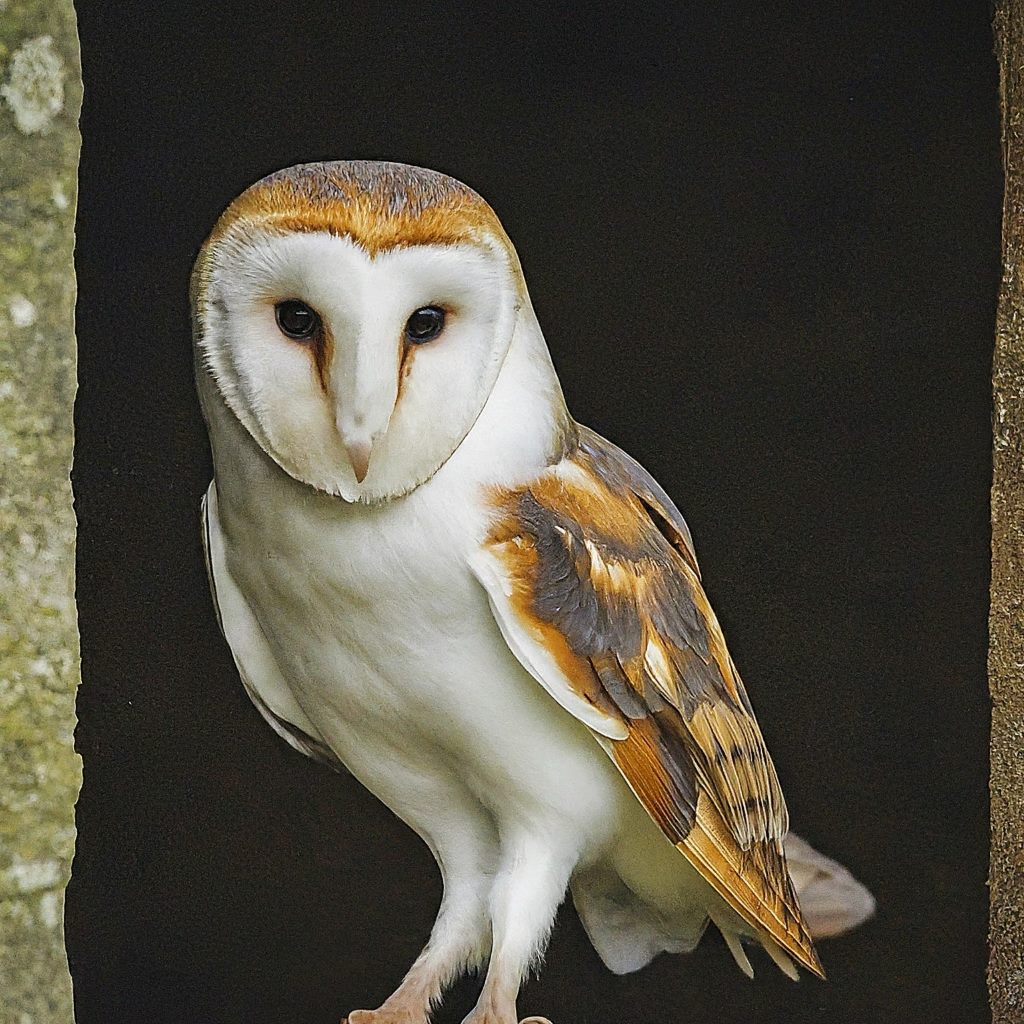
Barn owls typically stay faithful to one partner across many breeding seasons. Couples hunt together, share nesting duties, and raise multiple broods if food is abundant. Divorce can occur if reproduction fails, but successful pairs usually remain together for life. Their teamwork ensures steady food delivery to growing chicks.
Black Vulture

Black vultures are highly social yet deeply loyal to their chosen partner. Pairs stay together year-round and defend nesting sites cooperatively. Both parents feed and protect chicks. Unlike many birds, black vultures often reuse the same nesting locations over multiple years, strengthening their pair bond.
Atlantic Puffin
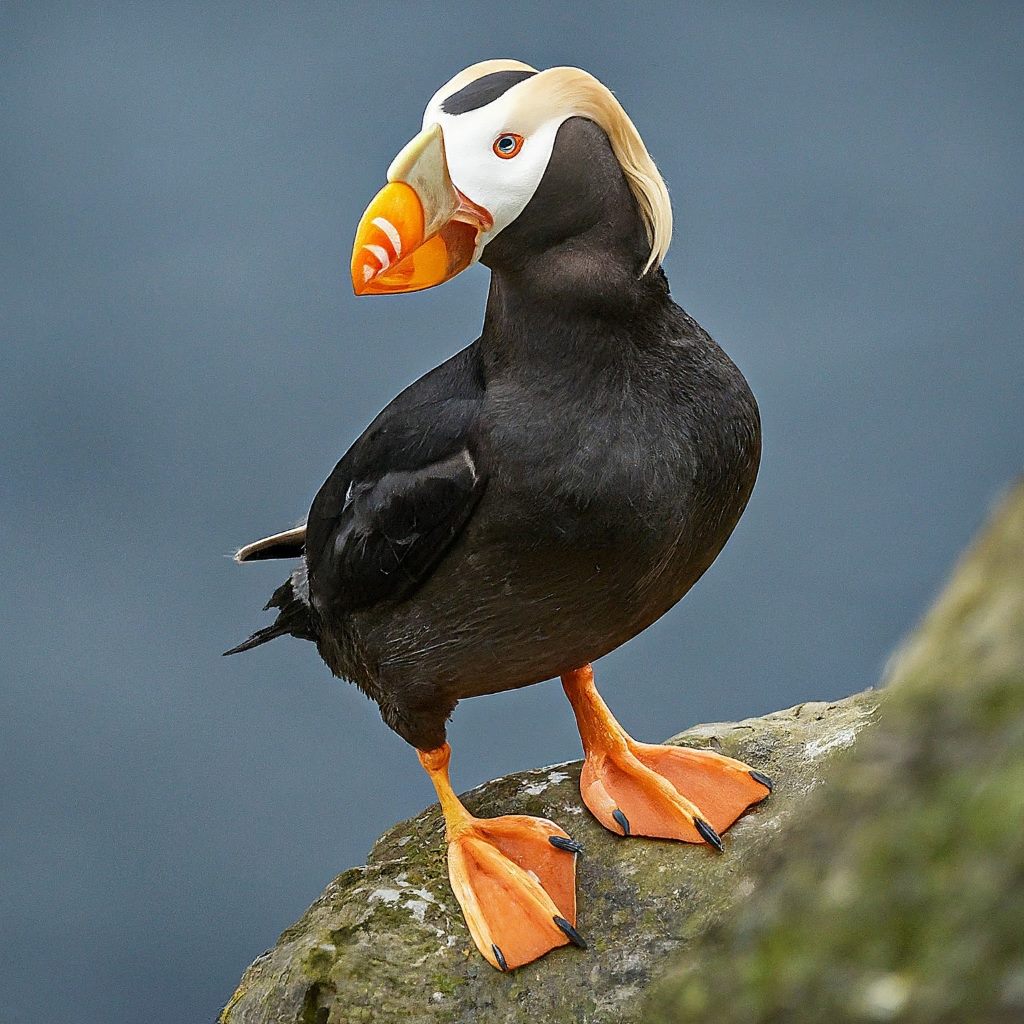
Atlantic puffins form long-term partnerships, meeting their mate each year at the same nesting burrow. They raise a single chick per season, taking turns fishing and guarding the nest. While they spend winters apart at sea, they reliably reunite every breeding season, maintaining strong social monogamy.
Macaroni Penguin

Macaroni penguins often reunite with the same mate each breeding season. They rely on vocal recognition among noisy colonies to find one another. Both parents incubate eggs and feed chicks. Though separations can occur, many pairs maintain long-term bonds that last for multiple years.
Gentoo Penguin
Gentoo penguins show remarkable partner fidelity. Pairs return annually to the same nesting sites and exchange pebbles as bonding gifts. Both parents incubate eggs and feed chicks. While some partner changes occur, successful breeders commonly remain together for many seasons.
Lovebirds (Fischer’s Lovebirds)
Lovebirds live up to their name. These parrots form intense emotional bonds, spending most of their time close to their mate. They groom each other, share food, and nest together. If separated, many lovebirds show signs of stress. Their devotion makes them classic examples of avian monogamy.
Scarlet Macaw
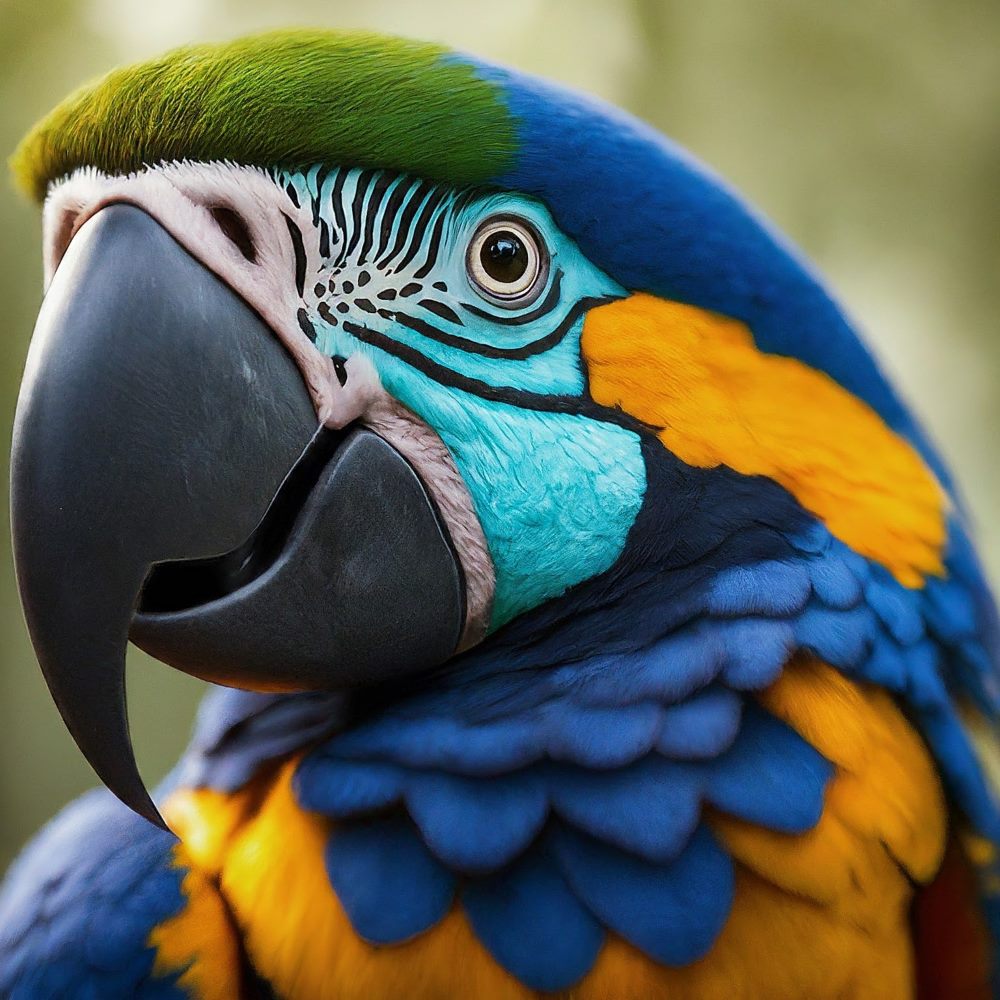
Scarlet macaws form lifelong partnerships and travel in bonded pairs. They communicate constantly through calls and body language. Both parents help incubate eggs and raise chicks in tree cavities. Their long lifespans—often exceeding 40 years—mean some pairs remain together for decades.
Monk Parakeet
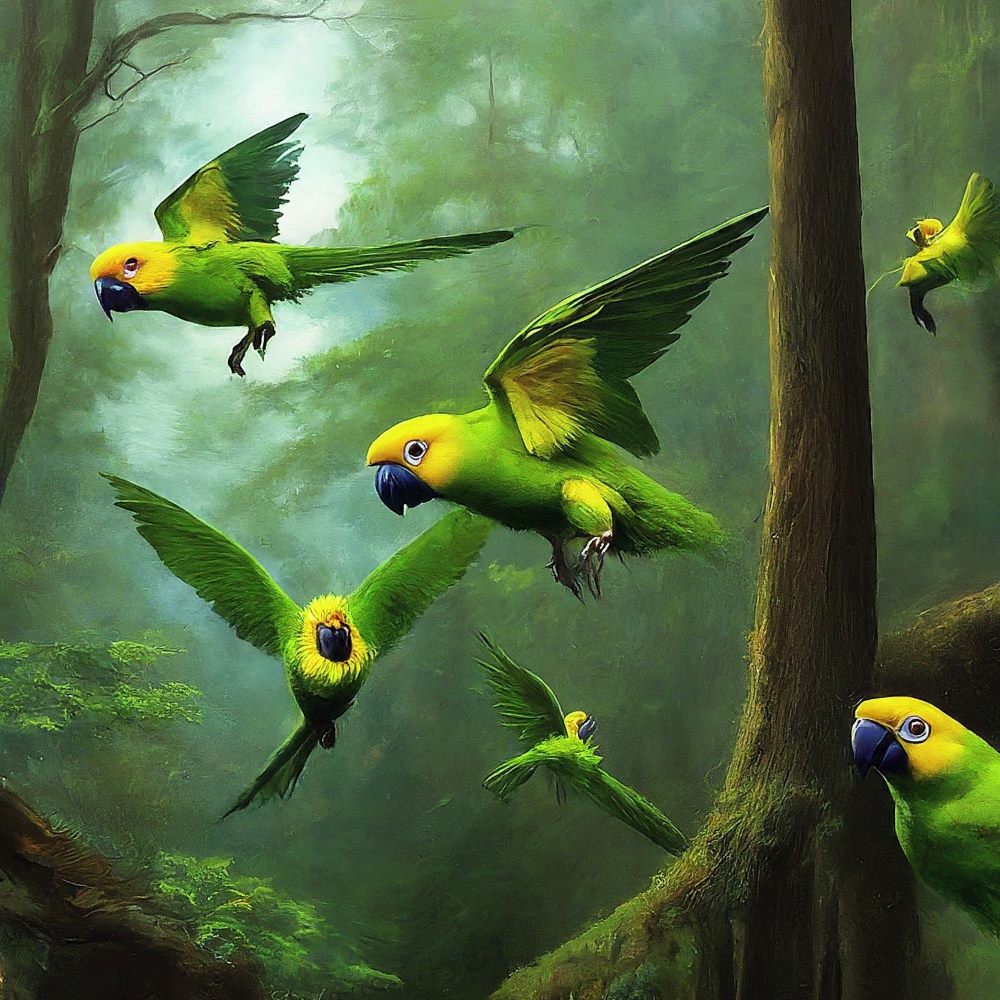
Monk parakeets form lasting pair bonds and build massive communal nests with individual chambers for each couple. Partners cooperate in nest construction, incubation, and chick care. Their social colonies still preserve strong one-to-one relationships between mates.
Pigeons
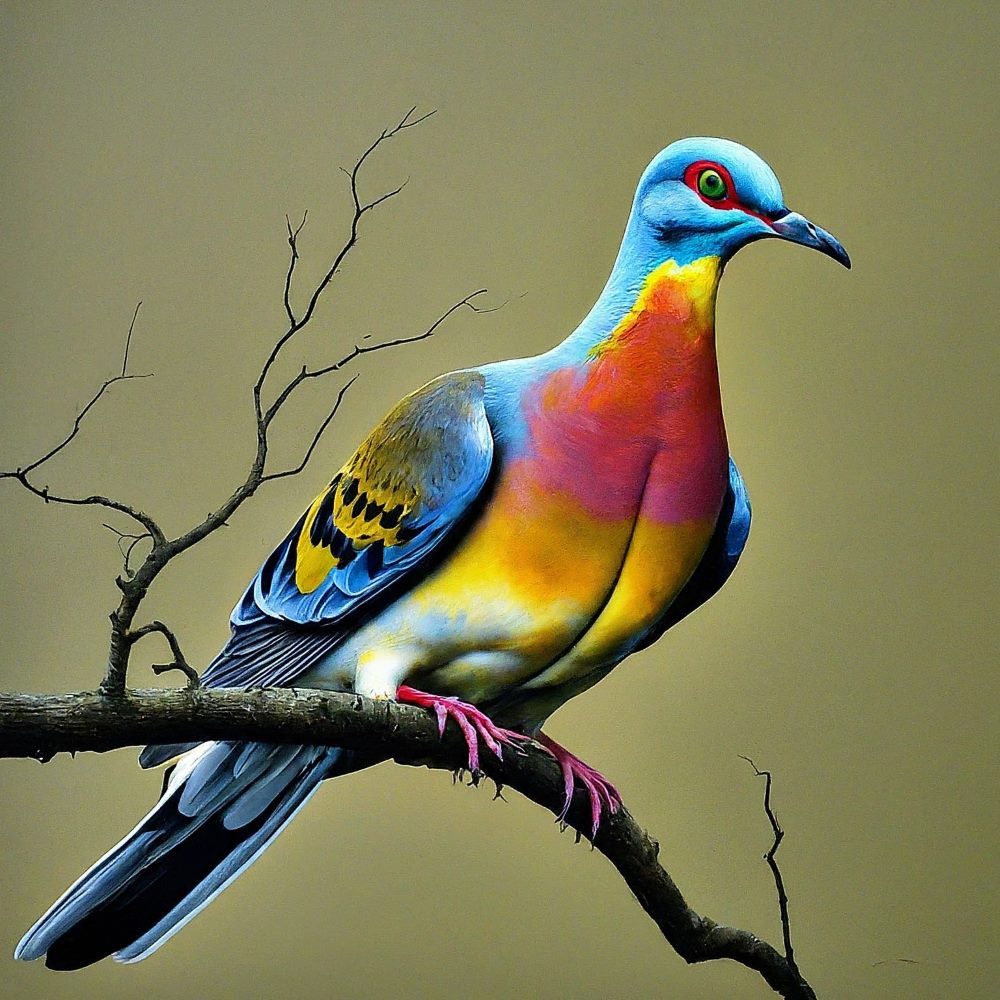
Pigeons are genetically and socially monogamous. Pairs remain together for life, sharing incubation duties and feeding chicks with nutrient-rich “crop milk.” Even after losing a mate, many pigeons hesitate to accept a new partner, demonstrating deep attachment.
Sun Conure
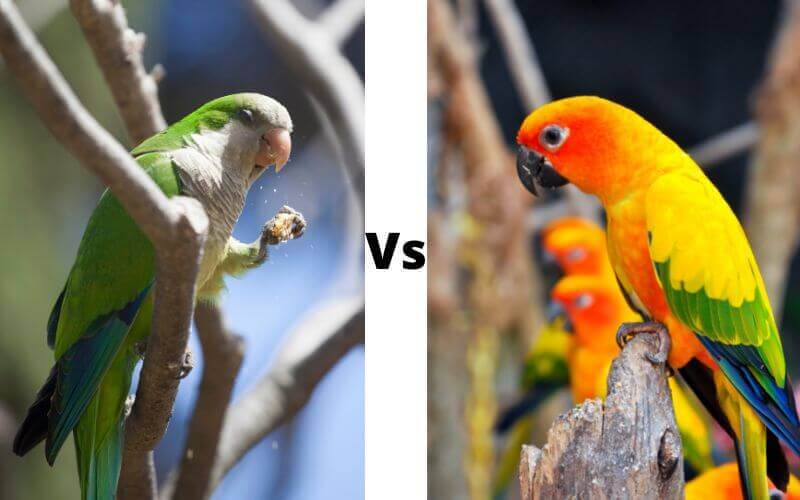
Sun conures are affectionate parrots that form monogamous bonds during breeding. Partners stay close, preen each other, and jointly care for eggs and chicks. Their strong emotional attachment supports successful parenting and long-term companionship.
Mammals That Mate for Life
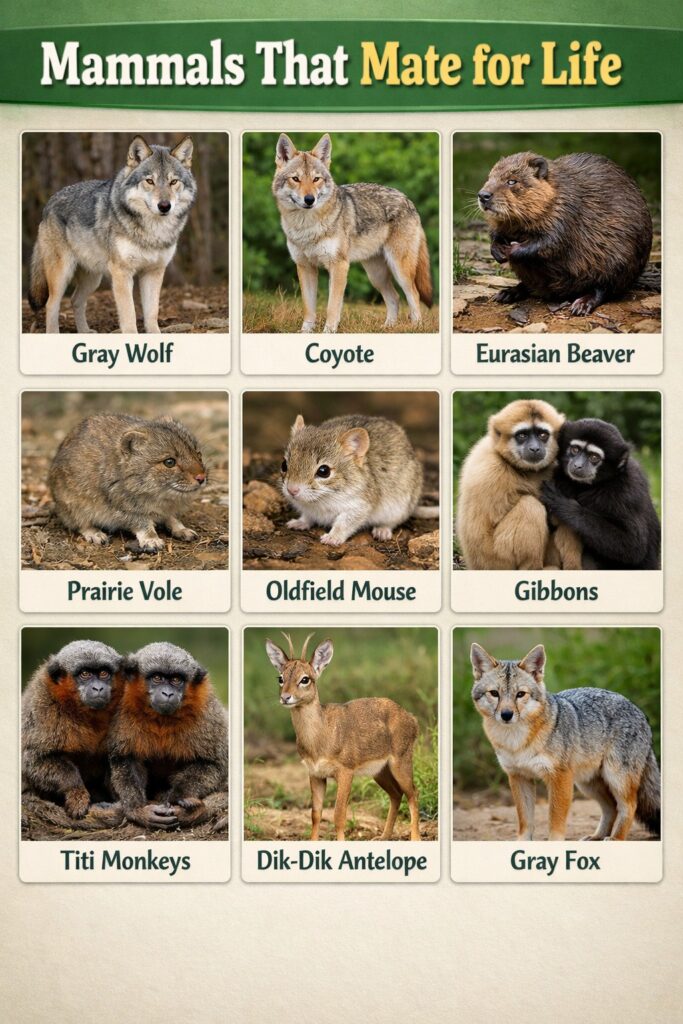
Some mammals form bonds that go far beyond a single breeding season. Mammals that mate for life create long-term partnerships built on cooperation, trust, and shared survival. These pairs often raise offspring together, defend territory side by side, and remain loyal even when separated for long periods. From grasslands to forests and icy regions, lifelong monogamy in mammals is rare—but when it occurs, it reveals powerful social connections shaped by evolution, environmental pressure, and the need for teamwork.
Gray Wolf

Gray wolves form breeding pairs that lead family packs. Alpha mates usually remain together for life, raising pups cooperatively and defending territory. Though occasional extra-pair mating occurs, the core bond between breeding partners remains strong and stable.
Coyote
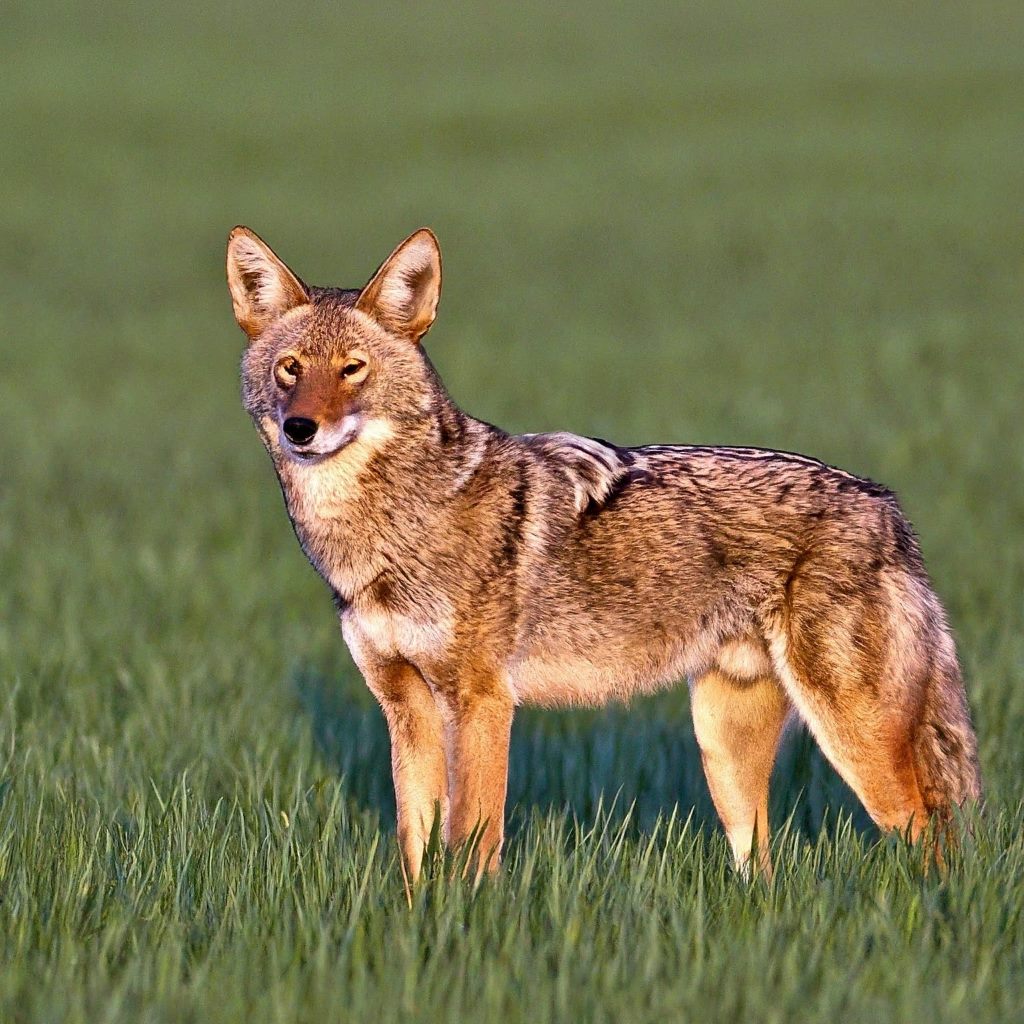
Coyotes typically form lifelong partnerships, hunting and raising pups together. Both parents provide food and protection. While rare partner changes occur, most pairs stay bonded unless one dies or environmental pressures intervene.
Eurasian Beaver
Eurasian beavers are among the few mammals proven genetically monogamous. Pairs build dams, share lodges, and raise offspring together for many years. If one partner dies, the survivor may remain alone for extended periods before forming a new bond.
Prairie Vole
Prairie voles are famous for true monogamy. After mating, they form permanent bonds, share nests, and raise young together. Neurological studies show they release bonding hormones similar to humans, making them a key model for studying attachment.
Oldfield Mouse
Oldfield mice create long-term pair bonds and jointly care for offspring. Both parents defend territory and provide warmth and food to pups. Their cooperation greatly increases survival, making monogamy evolutionarily advantageous.
Gibbons
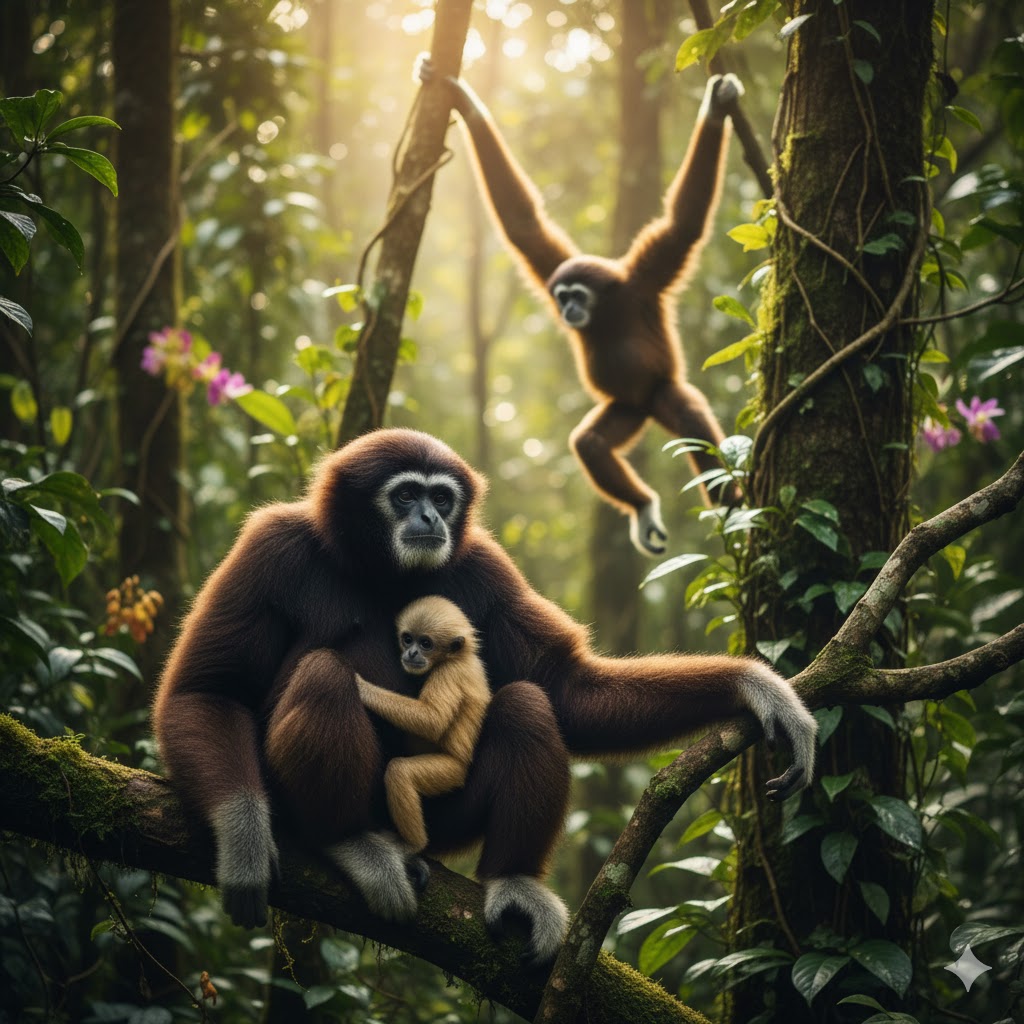
Gibbons form close-knit family units with one partner. They reinforce bonds through grooming, vocal duets, and constant proximity. Parents raise offspring together until maturity. Though not genetically exclusive in all cases, socially they remain committed for life.
Titi Monkeys
Titi monkeys display intense emotional attachment. Mates spend much of their time touching tails and grooming. When separated, they exhibit stress behaviors. Partners raise young cooperatively, and widowed individuals often show signs of grief.
Dik-dik Antelope
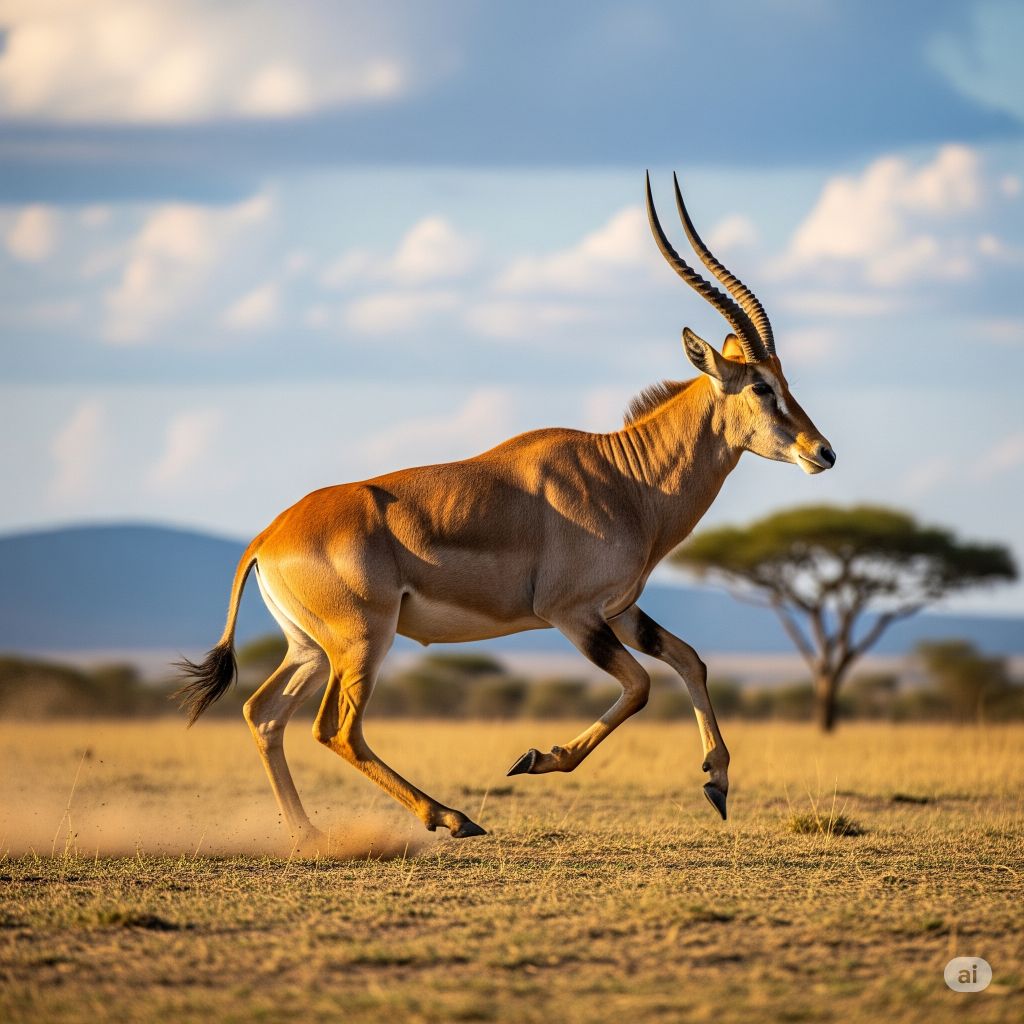
Dik-diks live in monogamous pairs that defend small territories. Partners forage together and raise single offspring annually. Once bonded, they usually remain together for life, chasing grown young away to establish new territories.
Gray Fox
Gray foxes form strong pair bonds and cooperate in hunting and parenting. Both parents help feed pups and guard dens. Their loyalty improves offspring survival and territory defense.
Unique Animals That Mate for Life
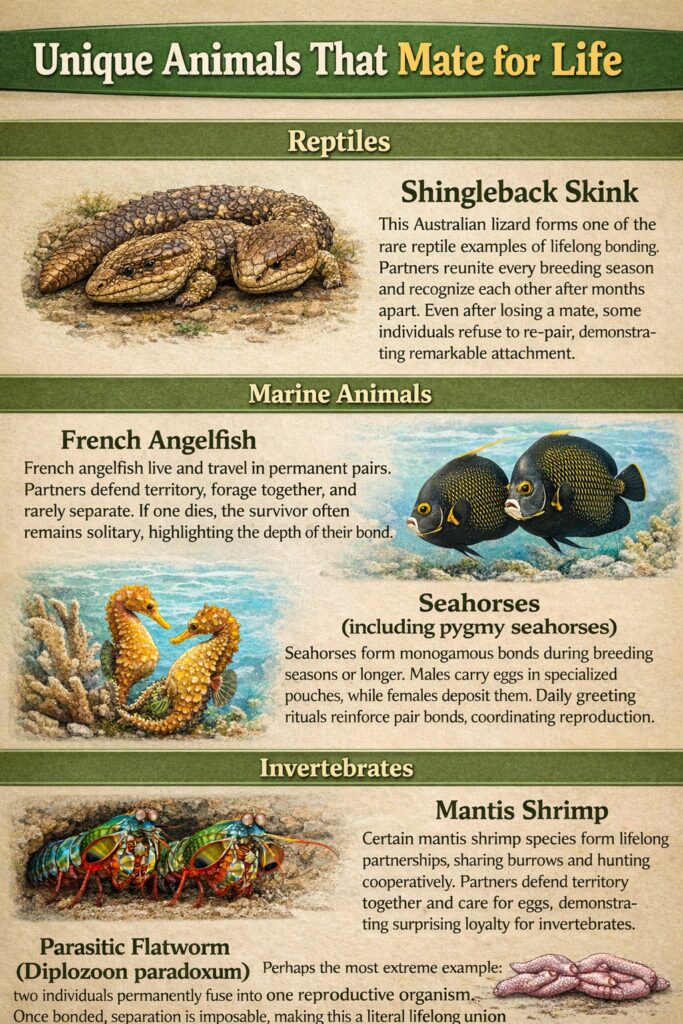
Reptiles
Shingleback Skink
This Australian lizard forms one of the rare reptile examples of lifelong bonding. Partners reunite every breeding season and recognize each other after months apart. Even after losing a mate, some individuals refuse to re-pair, demonstrating remarkable attachment.
Marine Animals
French Angelfish
French angelfish live and travel in permanent pairs. Partners defend territory, forage together, and rarely separate. If one dies, the survivor often remains solitary, highlighting the depth of their bond.
Seahorses (pygmy seahorses)
Seahorses form monogamous bonds during breeding seasons or longer. Males carry eggs in specialized pouches, while females deposit them. Daily greeting rituals reinforce pair bonds, coordinating reproduction.
Invertebrates
Mantis Shrimp
Certain mantis shrimp species form lifelong partnerships, sharing burrows and hunting cooperatively. Partners defend territory together and care for eggs, demonstrating surprising loyalty for invertebrates.
Parasitic Flatworm (Diplozoon paradoxum)
Perhaps the most extreme example: two individuals permanently fuse into one reproductive organism. Once bonded, separation is impossible, making this a literal lifelong union.
Is Lifelong Partnership the Same as “Mate for Life”?
Not always. A lifelong partnership can continue even after breeding ends, focused on:
Territory defense
Resource sharing
Emotional and social stability
In some species, losing a partner leads to reduced survival or refusal to re-pair, showing how deep these bonds run.
Final Thoughts
True lifelong monogamy is rare, but when it occurs, it dramatically improves survival, parenting success, and territorial defense. From birds and mammals to fish and even flatworms, nature repeatedly shows that cooperation and loyalty can be powerful evolutionary strategies.
These species remind us that bonding isn’t uniquely human—it’s a biological advantage shaped by millions of years of evolution.
References
- https://www.wildlifeexplained.com/animals-that-mate-for-life
- https://www.britannica.com/science/monogamy
- https://www.audubon.org/news/birds-mate-life
- https://www.ncbi.nlm.nih.gov/pmc/articles/PMC3183515/

94% of pet owners say their animal pal makes them smile more than once a day. In 2007, I realized that I was made for saving Animals. My father is a Vet, and I think every pet deserves one. I started this blog, “InPetCare”, in 2019 with my father to enlighten a wider audience.