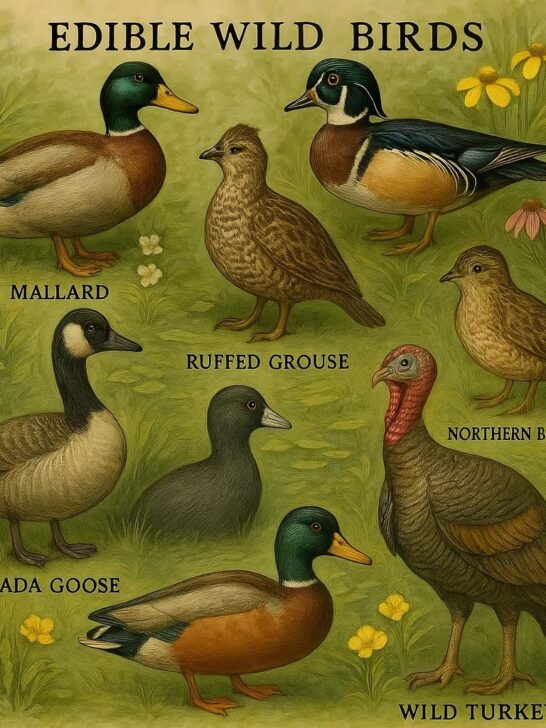
Wondering, What Birds Can We Eat? Wild birds have long been an important food source for hunters, survivalists, and outdoor enthusiasts. From plump game birds like pheasants and quails to rich waterfowl such as ducks and geese, many species offer flavorful, nutrient-dense meat that rivals or even surpasses domestic poultry. Consuming wild birds is deeply rooted in traditional cultures and sustainable hunting practices, providing natural, organic protein without the additives or antibiotics found in farm-raised meat.
Common edible categories include game birds (turkey, quail, grouse), waterfowl (ducks, geese, teal), and doves or pigeons, each with distinctive taste and texture. While these species are legally and ethically harvested in many regions, it’s crucial to understand which birds are protected by law and which can be safely hunted or consumed. For example, while mourning doves and wild turkeys are regulated game species, small songbirds like robins or blackbirds are often protected under wildlife acts and should not be hunted.
Whether you’re exploring sustainable food sources, preparing for survival situations, or simply curious about wild cuisine, understanding edible bird species helps you enjoy nature’s bounty responsibly, safely, and respectfully.
Here is a detailed overview of wild birds that can be eaten, covering common edible species and important safety considerations:
Post Contents
- 🦃 Game Birds
- 🦆 Waterfowl
- 🕊️ Doves and Pigeons
- 🐦 Other Wild Birds
- Safety and Selection Tips
- Brief Notes on Taste and Preparation
- Summary Table of Edible Wild Birds
- Some Famous Recipes of Edible Wild Birds
- Conclusion
- Frequently Asked Questions (FAQs)
- 1. Are all wild birds safe to eat?
- 2. What are the most commonly eaten wild birds?
- 3. How can I tell if a wild bird is safe to eat?
- 4. Can you eat small birds like robins or sparrows?
- 5. What does wild bird meat taste like?
- 6. Is eating wild birds healthy?
- 7. Are there ethical or legal concerns?
- 8. How should wild birds be cooked for safety?
- 9. Can you eat waterfowl like ducks and geese?
- 10. What’s the best way to prepare game birds in the wild?
🦃 Game Birds
1. Wild Turkey
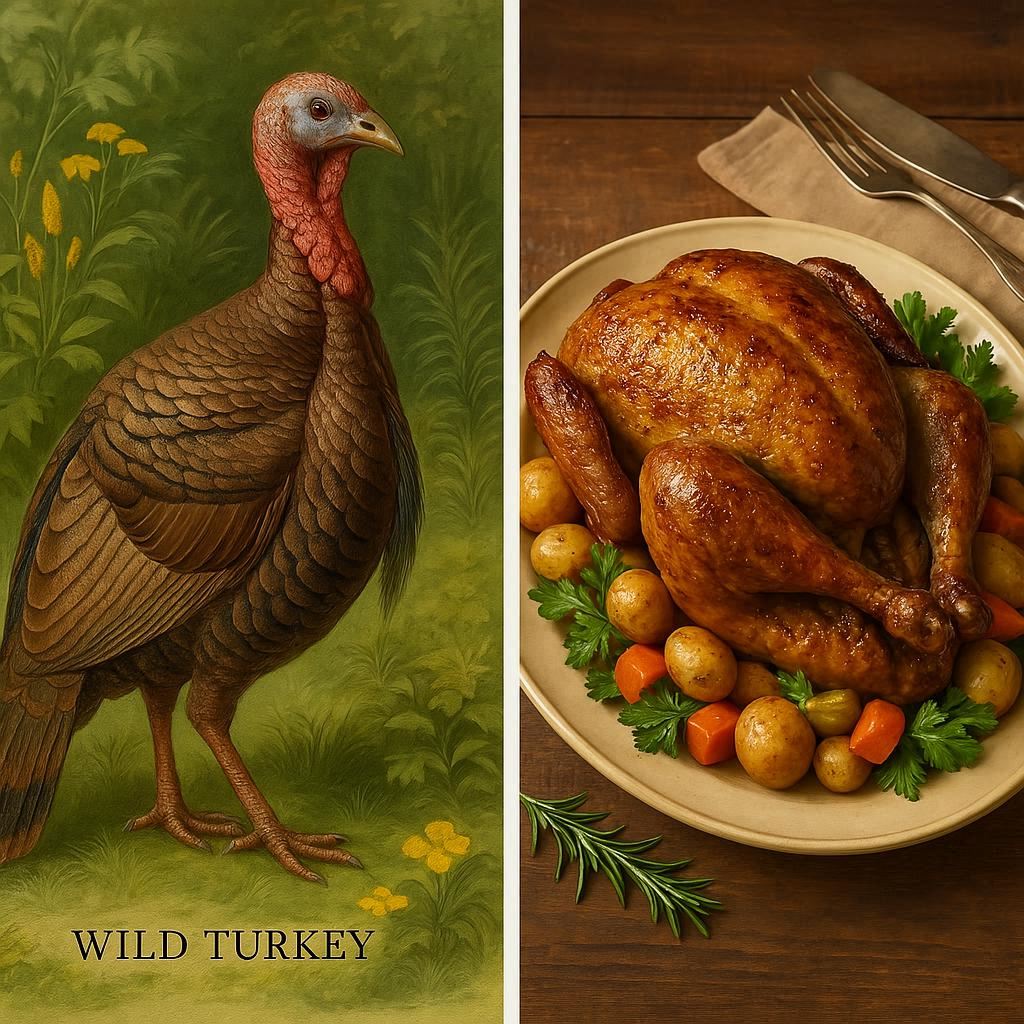
The Wild Turkey (Meleagris gallopavo) is one of North America’s most iconic game birds and a favorite for both hunters and cooks. It’s much leaner and gamier than the farm-raised turkey found in supermarkets, offering rich, flavorful meat that reflects its natural diet of seeds, insects, acorns, and berries. Wild turkeys can be found in woodlands, forests, and mixed farmlands, where they forage on the ground during the day and roost in trees at night.
When cooking wild turkey, hunters often note that the dark meat (legs and thighs) can be tougher than the white breast meat due to the bird’s active lifestyle. Slow cooking or brining is ideal to retain tenderness. Smoked or roasted wild turkey delivers deep, earthy flavor that pairs well with herbs and root vegetables. Beyond its culinary appeal, hunting wild turkey is also a challenging and regulated pursuit, as these birds are cautious and quick to escape danger.
Nutritionally, wild turkey meat is high in protein, low in fat, and rich in vitamins like B6 and niacin. Its natural diet and free-ranging life make it a healthy and sustainable wild food option.
2. Pheasant (e.g., Ring-necked Pheasant)
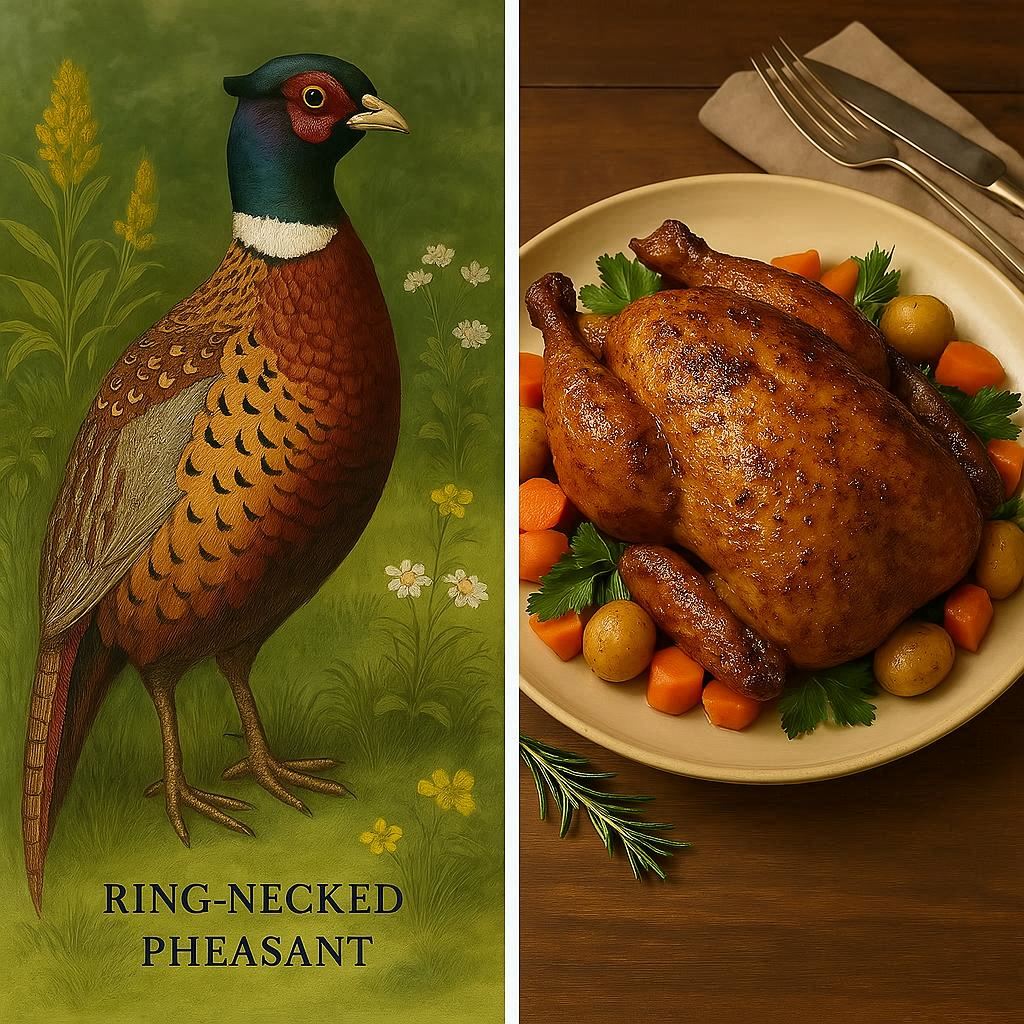
The Ring-necked Pheasant (Phasianus colchicus), originally from Asia, has become one of the most prized game birds in North America and Europe. Recognized for its striking plumage and long tail, the pheasant inhabits grasslands, agricultural fields, and brushy areas where it feeds on grains, seeds, and insects.
Culinarily, pheasant meat is highly valued for its mild, slightly sweet flavor and tender texture, somewhat between chicken and duck. Because wild pheasants are leaner than farmed ones, they require gentle cooking methods — such as roasting with butter, wrapping in bacon, or stewing — to prevent drying out. The meat absorbs marinades well and pairs beautifully with berries, mushrooms, or wine-based sauces.
In survival contexts, pheasants are approachable birds to hunt using shotguns or snares. They offer substantial nutrition: rich in protein and iron, but low in fat. Sustainable hunting practices are vital, as pheasant populations depend heavily on habitat quality and responsible game management.
3. Quail (Northern Bobwhite, California Quail)
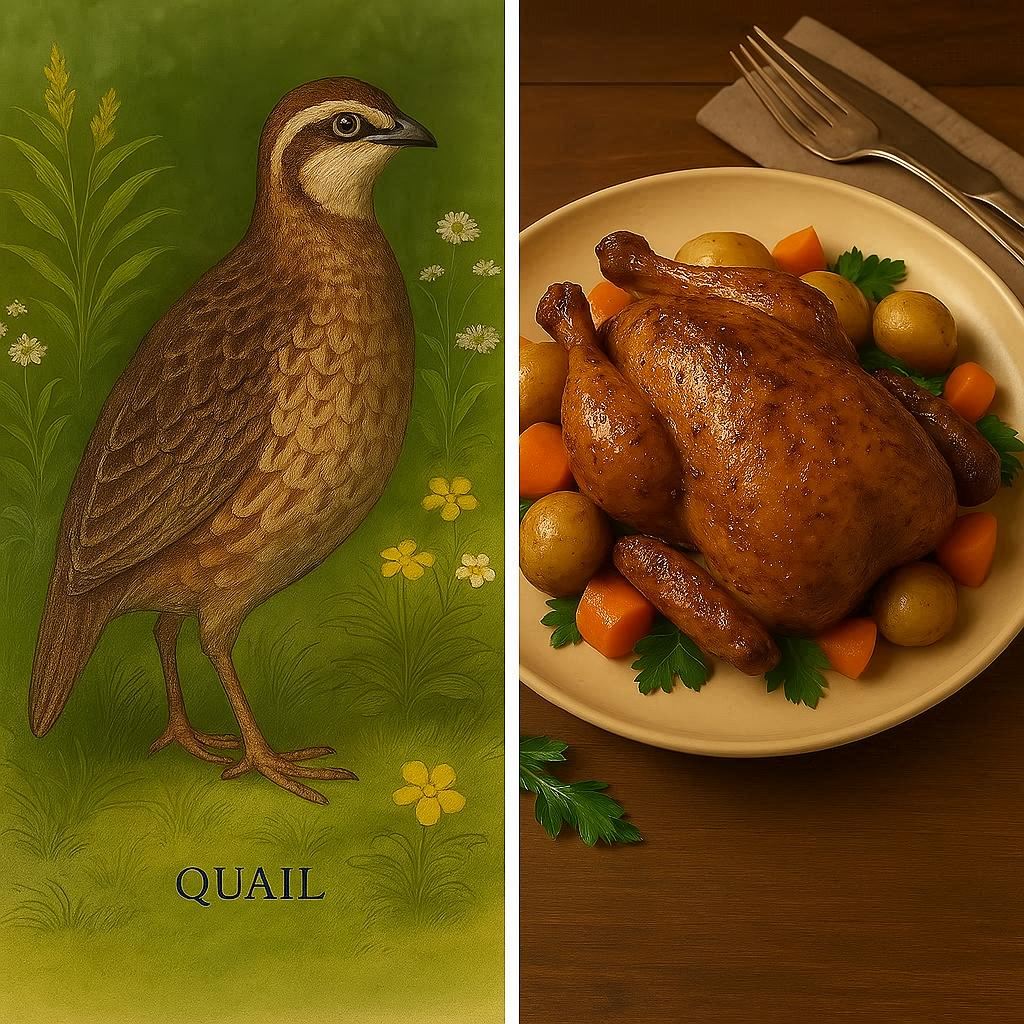
Quails are small, plump game birds known for their delicate, savory meat. The Northern Bobwhite (Colinus virginianus) and California Quail (Callipepla californica) are two of the most common species hunted and eaten in North America. They inhabit grasslands, open woods, and scrubby hillsides, feeding on seeds, grains, and insects.
Despite their small size, quail meat is tender, flavorful, and slightly sweet — often compared to a cross between chicken and pheasant. They can be roasted whole, grilled, or pan-seared, and are often marinated to enhance moisture and flavor. Because of their size, several birds are usually needed for a single meal.
From a nutritional standpoint, quail provides high-quality protein, B vitamins, and minerals such as zinc and phosphorus. In addition to being a gourmet delicacy, quail hunting is a traditional pursuit that helps maintain balanced wildlife populations when managed responsibly.
4. Grouse (Ruffed Grouse, Sharptail Grouse)
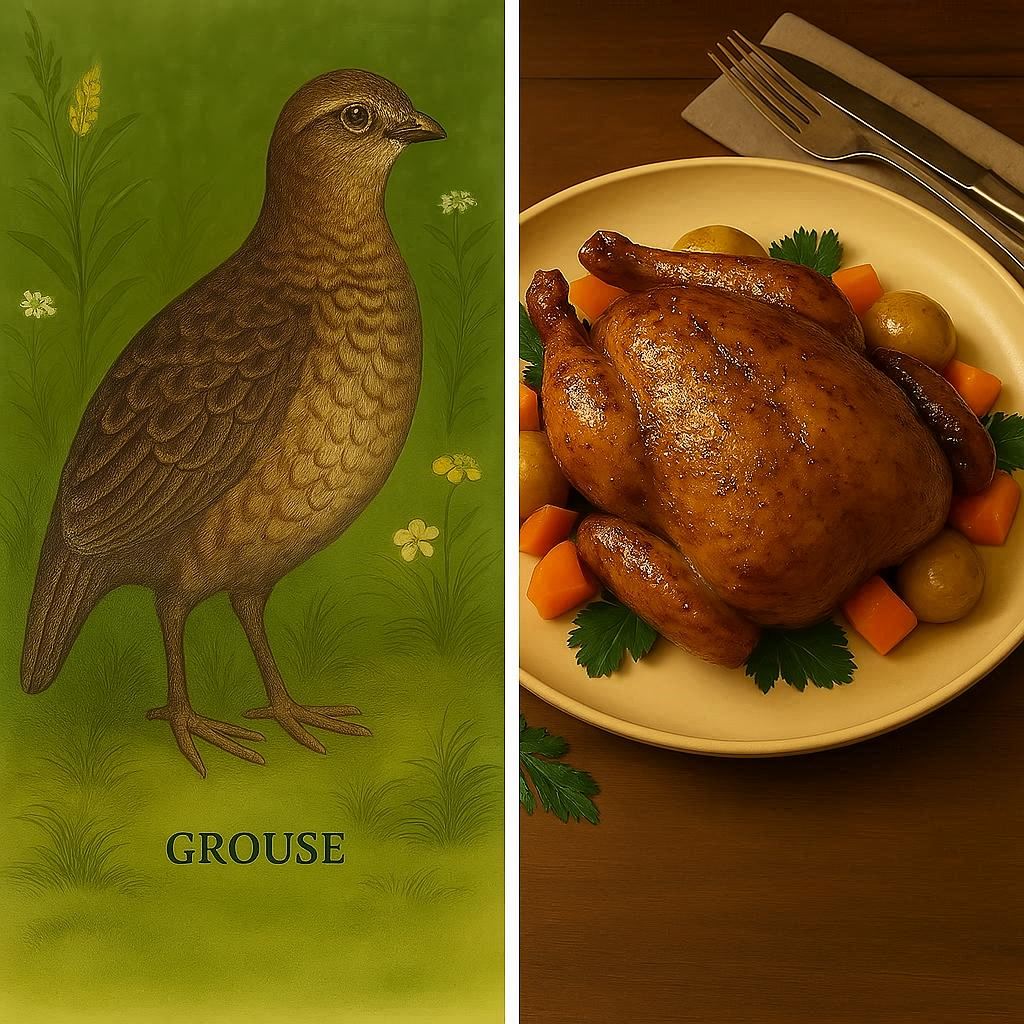
Grouse are hardy, ground-dwelling birds that thrive in northern forests and open plains. The Ruffed Grouse (Bonasa umbellus) and Sharptail Grouse (Tympanuchus phasianellus) are among the most sought-after for their challenging hunts and distinct, woodsy flavor.
Their meat tends to be darker and richer than chicken, with a slightly gamey taste that reflects their natural diet of buds, berries, and leaves. The Ruffed Grouse is known for its mild, tender breast meat, while the Sharptail Grouse has a deeper flavor. Roasting, stewing, or slow-braising are the best methods to enhance tenderness and bring out the earthy notes of the meat.
Nutritionally, grouse offers lean protein and essential nutrients like niacin, selenium, and iron. These birds are also indicators of healthy ecosystems — thriving populations usually signal well-maintained forest or grassland habitats.
5. Partridge

The Partridge, a medium-sized bird of the pheasant family, is known for its robust flavor and firm texture. Common edible species include the Gray Partridge (Perdix perdix) and Chukar Partridge (Alectoris chukar). They inhabit farmlands, grasslands, and scrub-covered slopes, feeding on seeds, grains, and insects.
Partridge meat is mildly gamey and less fatty than duck or goose. When cooked properly — by roasting with butter, stewing, or slow-baking — it yields moist, flavorful meat with a pleasant aroma. The bird’s small size makes it ideal for single servings or gourmet dishes.
For hunters, partridge offer moderate challenge and rewarding table fare. The meat is high in protein, vitamin B12, and selenium. In many cultures, partridge has long been a symbol of rustic cuisine, celebrated for its natural flavor and satisfying texture.
6. Woodcock
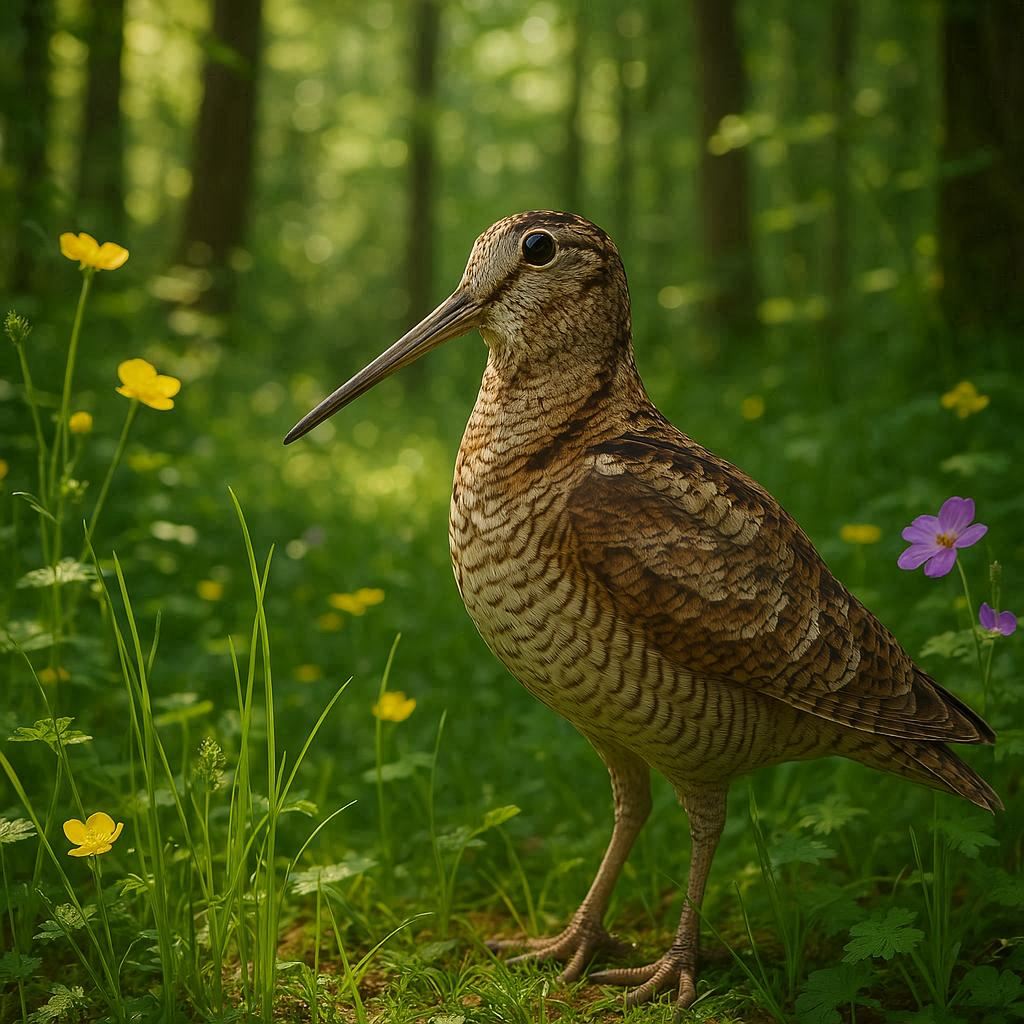
The American Woodcock (Scolopax minor) is a migratory bird found in moist forests and meadows. Its long bill, used to probe soil for earthworms, and erratic flight pattern make it a prized target among bird hunters.
Woodcock meat is dark, rich, and intensely flavored — closer to duck or liver than to chicken. Because of its bold taste, it’s often pan-seared or roasted quickly to retain tenderness. Traditional recipes pair it with wine reductions or fruit sauces to balance its robust flavor.
Despite being small, the woodcock provides nutrient-dense meat, rich in iron and protein. Sustainable hunting seasons help maintain its population, ensuring this bird remains part of North America’s wild game heritage.
7. Prairie Chicken
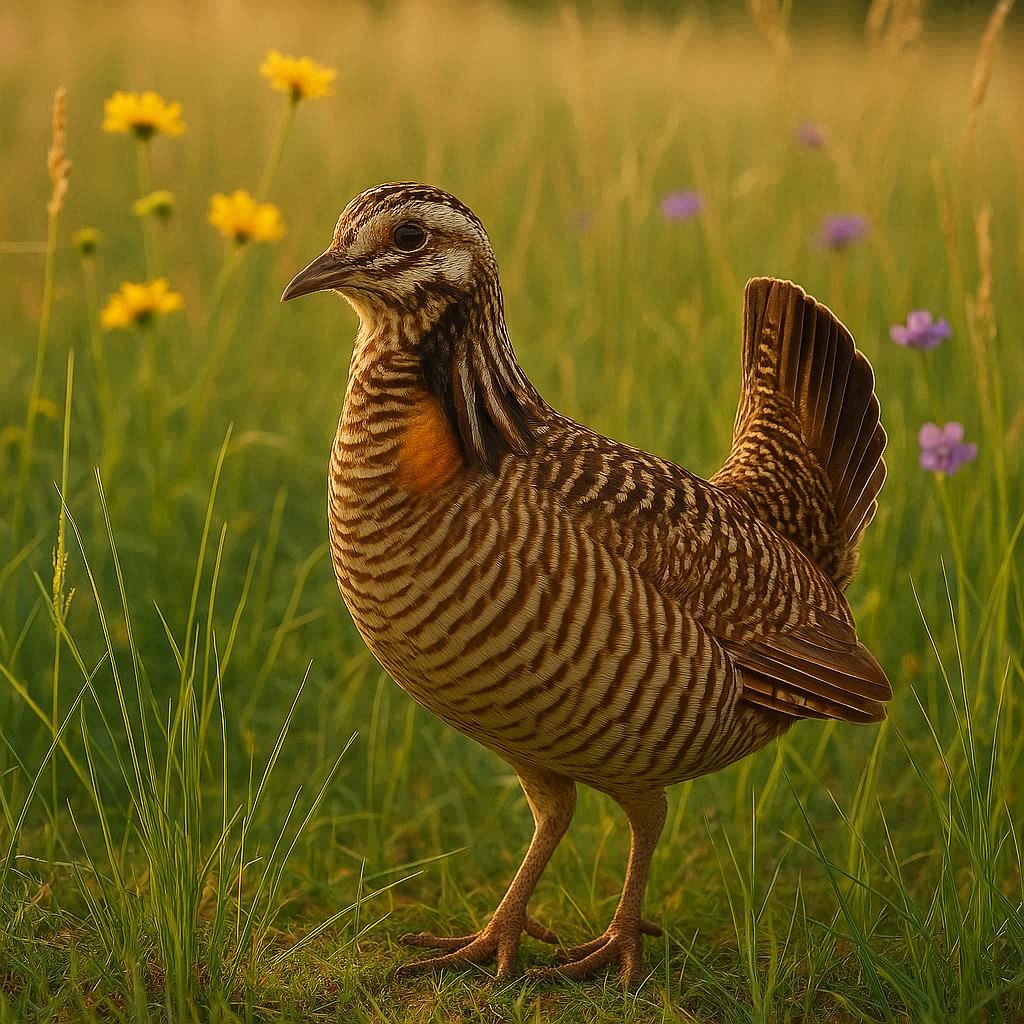
The Greater Prairie Chicken (Tympanuchus cupido) is a ground-dwelling grouse found in grasslands and prairies of the Midwest. Once abundant, its numbers have declined due to habitat loss, though managed hunts still occur in some regions.
Prairie chicken meat is lean, dark, and full-flavored, somewhat resembling pheasant with a more pronounced “wild” taste. Cooking methods such as slow roasting, braising, or marinating help tenderize the meat. Hunters often prize this bird for its challenging pursuit and flavorful results.
Prairie chickens are a valuable wild food resource and an indicator of prairie ecosystem health. Their consumption is part of traditional rural diets and sustainable hunting practices.
🦆 Waterfowl
1. Mallard
The Mallard Duck (Anas platyrhynchos) is one of the most common and widely hunted waterfowl species. Found across ponds, lakes, and marshes, mallards are strong fliers and excellent table fare.
Their meat is dark, rich, and slightly oily, with a flavor reminiscent of beef. Wild mallards have leaner meat than farmed ducks, so quick roasting or medium-rare pan-searing preserves tenderness. The fat layer under the skin, when crisped, enhances the taste dramatically.
Mallard hunting is a cornerstone of waterfowl traditions. The meat is high in protein, iron, and omega-3 fats, making it both nutritious and satisfying.
2. Wood Duck
The Wood Duck (Aix sponsa) is a colorful species found in wooded swamps and riverbanks. It’s considered one of the best-tasting ducks in North America due to its mild, slightly sweet flavor.
Unlike many wild ducks, the wood duck’s diet of acorns, seeds, and aquatic plants gives it a less fishy taste. Its meat is tender, rich, and perfect for grilling or roasting. Hunters value it for its flavor and beauty alike.
Nutritionally, it’s lean yet dense in protein, iron, and healthy fats — a premium wild food source for outdoor enthusiasts.
3. Pintail
The Northern Pintail (Anas acuta) is a sleek, elegant duck known for its long tail feathers and delicious meat. Found in wetlands and open water, pintails are migratory and prized by hunters for both sport and flavor.
The meat is delicate, slightly gamey, and lean. Cooking methods that retain moisture — like marinating, slow-roasting, or wrapping in bacon — bring out its best qualities. Pintail duck breast is especially tender when cooked medium rare.
4. Bluewing and Greenwing Teal
Teal ducks are small, fast flyers that provide surprisingly flavorful meat. The Bluewing Teal (Spatula discors) and Greenwing Teal (Anas crecca) are common across North America.
Their meat is rich, tender, and slightly sweet, making them favorites for grilling or pan-frying. Teal hunting is popular early in the waterfowl season due to their abundance and taste. Despite their size, they yield high-quality, lean meat that’s both healthy and flavorful.
5. Canada Goose
The Canada Goose (Branta canadensis) is a large waterfowl species known for its strong, dark meat. Although sometimes considered tough, proper preparation — marinating or slow-cooking — results in flavorful, tender dishes.
Goose breast resembles roast beef in texture and taste, and it’s packed with iron and protein. Wild geese feed on grasses and grains, producing cleaner, leaner meat than farm-raised alternatives.
6. Specklebelly Goose
The Greater White-fronted Goose, or Specklebelly Goose, is widely considered the finest-tasting wild goose. Its meat is tender, juicy, and mild, lacking the strong flavor typical of other geese.
Commonly roasted or grilled, specklebelly goose is rich in protein and low in saturated fat. It’s a favorite among waterfowl hunters who prize both its flavor and abundance.
7. Canvasback Duck
The Canvasback Duck (Aythya valisineria) is renowned for its gourmet-quality meat. Feeding on aquatic vegetation like wild celery gives it a uniquely mild, almost sweet flavor.
Its large breast meat is prized by chefs and hunters alike. The best preparation methods are roasting or pan-searing to preserve juiciness. This duck’s fine texture and rich taste make it one of the most esteemed game birds on the continent.
🕊️ Doves and Pigeons
Both birds are rich in protein, B vitamins, and minerals like zinc and iron. In survival contexts, they provide accessible, nutritious food that’s relatively easy to hunt or trap.
1. Mourning Dove
The Mourning Dove (Zenaida macroura) is one of the most abundant and widely hunted game birds in North America. Known for its gentle cooing and swift, darting flight, this bird is commonly found in open fields, farmlands, and wooded edges. Mourning doves are small, typically weighing around 4 to 6 ounces, but their meat is prized for its tenderness and mild, slightly sweet flavor.
Culinarily, mourning dove meat is dark, rich, and lean. Because the bird is small, hunters often prepare it by grilling or pan-searing the breast meat, sometimes wrapped in bacon to retain moisture. It’s also delicious when marinated or stuffed with herbs and roasted. The flavor is often compared to duck but milder, making it a versatile ingredient for game dishes.
Dove hunting season is highly regulated and extremely popular, especially in southern and midwestern states. The species’ large population and adaptability make it a sustainable game option when harvested responsibly. Nutritionally, dove meat is high in protein and iron while being low in fat, making it a healthy wild food choice.
Beyond its culinary use, the mourning dove has deep cultural symbolism—often associated with peace and love. Still, for outdoorsmen and survivalists, it remains an accessible, ethical, and rewarding game bird.
2. Squabs
Squab refers to a young domestic pigeon (typically under four weeks old) that has not yet flown. Unlike its wild relatives, the squab is raised for meat and has been a delicacy across cultures for centuries — from ancient Rome to modern French and Chinese cuisine.
Squab meat is renowned for its tender texture, rich flavor, and high nutritional value. The flesh is dark, moist, and slightly sweet, often described as more delicate than duck but richer than chicken. Because the birds are young and not yet muscular, their meat is exceptionally soft and buttery when cooked. Common preparation methods include roasting, grilling, or pan-searing whole birds with herbs, garlic, or wine reductions.
Nutritionally, squab is a powerhouse — high in protein, iron, and vitamin B12, while being low in saturated fat. It’s considered a gourmet source of lean red meat, ideal for refined dishes or survival nutrition alike.
Unlike mourning doves, squabs are farm-raised, making them a legal and ethical choice for consumption. Their mild, elegant taste and fine texture make them a favorite among chefs and hunters seeking a premium wild-style experience without breaking conservation laws.
🐦 Other Wild Birds
While not typically targeted for hunting, some small songbirds and blackbirds are technically edible. Historically, settlers and survivalists consumed species such as Red-winged Blackbirds, Starlings, or Sparrows in times of scarcity. However, these birds yield little meat and are less flavorful due to their insect-based diet.
They can be roasted or stewed whole but require careful preparation to remove bones and ensure tenderness. Today, they are more of historical or survival interest rather than regular game fare.
1. Robin
The American Robin (Turdus migratorius) is a familiar songbird across North America, known for its red breast and cheerful song. While not commonly eaten today, robins were historically hunted and consumed by early settlers and rural communities, especially during food shortages. The meat of a robin is dark, lean, and slightly gamey, reflecting its diet of insects, berries, and worms.
In survival scenarios, robins can be a small but valuable source of protein. They’re most active in open lawns, gardens, and woodland edges, making them easier to locate than many other wild birds. Preparation usually involves roasting or stewing to tenderize the meat and bring out its mild flavor. However, it’s important to note that robins are now protected under the Migratory Bird Treaty Act in the United States, making it illegal to hunt or consume them.
While they remain edible in theory, modern ethical and legal standards discourage taking robins for food. Instead, they’re appreciated for their ecological role in controlling insect populations and their symbolic presence as a harbinger of spring.
2. Starling
The European Starling (Sturnus vulgaris) is an introduced bird species in North America, often viewed as a nuisance due to its aggressive behavior and large flocks. Despite its pest reputation, the starling is edible and has historically been eaten in parts of Europe. The meat is dark, rich, and somewhat similar to dove, though slightly stronger in flavor due to its insect-heavy diet.
In survival or rural contexts, starlings can be roasted, grilled, or stewed. Because they’re small, multiple birds are often needed to make a meal. Cleaning requires care to remove feathers and entrails thoroughly, but once prepared, the meat is flavorful and nutritious — offering good protein and essential minerals.
Unlike many native songbirds, starlings are not protected under U.S. federal law, which makes them one of the few wild birds legal to hunt or trap year-round. Though not a mainstream food source, they can serve as a practical survival food option and contribute to controlling overpopulated flocks.
3. Blackbird
Blackbirds, such as the Red-winged Blackbird (Agelaius phoeniceus), are small, common birds found near wetlands, meadows, and farmlands. Historically, blackbirds were eaten by settlers and even featured in old English nursery rhymes like “four and twenty blackbirds baked in a pie.” Their meat is dark, tender, and slightly earthy in flavor, though small in quantity.
In survival situations, blackbirds can be roasted or cooked in soups or stews to maximize nutrition. Because of their small size, they provide limited sustenance but can still offer valuable protein. Their diet of seeds, insects, and grains contributes to a clean-tasting meat compared to scavenger birds.
However, like robins, most blackbirds are protected species under wildlife conservation laws, meaning hunting or trapping them for food is generally prohibited. Modern interest in eating blackbirds is primarily historical or theoretical. Today, these birds are valued for their ecological importance — especially their role in pest control and seed dispersal — rather than as a food source.
Safety and Selection Tips
- Avoid birds that are carrion eaters like crows, vultures, or other scavengers, as they can carry diseases.
- Do not eat sick, injured, or dead birds found in the wild.
- Ensure birds are fully cooked—internal temperature should reach at least 165°F (74°C)—to kill parasites and bacteria.
- Clean and prepare birds properly, removing feathers, head, entrails, and washing hands/tools carefully.
Brief Notes on Taste and Preparation
- Game birds have varied taste profiles; wild turkey is often a milder choice while ducks and geese have richer, fattier meat.
- Young birds like squab tend to be tender and milder than older birds.
- Upland game birds like grouse and pheasant are often roasted or fried; waterfowl are commonly roasted or smoked.
- Broiling, marinating, and slow cooking can enhance flavor and tenderness.
Summary Table of Edible Wild Birds
| Bird Type | Common Species | Notes |
|---|---|---|
| Game Birds | Turkey, Pheasant, Quail, Grouse | Traditional hunting targets |
| Waterfowl | Mallards, Wood Ducks, Geese, Teal | Richer meat, often fatty |
| Doves & Pigeons | Mourning Dove, Squab | Small size, common survival food |
| Other Wild Birds | Robin, Starling, Blackbird | Less common for eating |
Some Famous Recipes of Edible Wild Birds
Here are detailed recipes for cooking some of the most popular edible wild birds, each emphasizing flavors and cooking techniques to get the best taste and texture.
1. Roasted Wild Turkey Recipe
Ingredients:
- 1 whole wild turkey (8-12 pounds)
- 1/2 cup olive oil or melted butter
- 3 cloves garlic, minced
- 1 onion, quartered
- 2 sprigs fresh rosemary
- 2 sprigs fresh thyme
- Salt and freshly ground black pepper
- 2 cups chicken or turkey stock
Instructions:
- Preheat oven to 325°F (163°C).
- Clean the turkey thoroughly and pat dry. Season inside the cavity with salt and pepper.
- Rub the olive oil or butter all over the turkey skin. Mix garlic with more oil or butter, then rub on the turkey for extra flavor.
- Stuff the cavity with onion, rosemary, and thyme.
- Place the turkey breast side up on a roasting pan rack. Tent loosely with foil.
- Roast about 15 minutes per pound, basting every 30 minutes with stock or pan drippings. Remove foil for the last hour to brown the skin.
- Use a meat thermometer—the turkey is done at 165°F (74°C) internal temperature.
- Let rest for 20 minutes before carving.
Pros: Moist and flavorful meat; traditional preparation for wild turkey.
Cons: Requires long cooking time; overcooking can dry the breast meat.
2. Pan-Seared Ring-necked Pheasant Breast
Ingredients:
- 2 pheasant breasts
- Salt and pepper to taste
- 2 tablespoons olive oil or butter
- 1 garlic clove, minced
- 1/4 cup dry white wine or chicken stock
- 2 tablespoons fresh parsley, chopped
Instructions:
- Season pheasant breasts with salt and pepper.
- Heat oil or butter in skillet over medium-high heat.
- Sear breasts 3-4 minutes per side until golden and cooked through.
- Remove pheasant breasts and keep warm.
- Add garlic to skillet and sauté briefly, then deglaze with wine or stock, reducing by half.
- Pour sauce over pheasant breasts and garnish with fresh parsley.
Pros: Quick and easy; tender and flavorful meat.
Cons: Small portion size; careful not to overcook.
3. Grilled Northern Bobwhite Quail
Ingredients:
- 4 whole quails, cleaned
- 1/4 cup olive oil
- Juice of 1 lemon
- 2 cloves garlic, minced
- 1 tablespoon fresh thyme, chopped
- Salt and pepper
Instructions:
- Marinate quails in olive oil, lemon juice, garlic, thyme, salt, and pepper for at least 1 hour.
- Preheat grill to medium-high heat.
- Grill quails 5-6 minutes per side until juices run clear and skin is crisp.
- Rest for a few minutes before serving.
Pros: Juicy and smoky with lemony flavor; fast cooking.
Cons: Small birds require several to serve.
4. Roasted Ruffed Grouse with Herbs
Ingredients:
- 2 grouse, plucked and cleaned
- 3 tablespoons butter, softened
- 2 cloves garlic, minced
- 1 tablespoon chopped sage
- 1 tablespoon chopped thyme
- Salt and pepper
Instructions:
- Preheat oven to 350°F (175°C).
- Mix butter with garlic, sage, thyme, salt, and pepper.
- Rub herb butter all over the grouse and inside cavity.
- Place in roasting pan, breast side up.
- Roast for 40-50 minutes, basting occasionally, until meat is tender and juices run clear.
Pros: Rich, fragrant flavor; hearty meat.
Cons: Can be tough—proper basting is important.
5. Pan-Roasted Mallard Duck Breast
Ingredients:
- 2 mallard duck breasts
- Salt and pepper
- 1 tablespoon olive oil
- 1/4 cup orange juice
- 1 tablespoon honey
- Fresh rosemary sprig
Instructions:
- Score duck breast skin in a crosshatch pattern; season with salt and pepper.
- Heat olive oil in skillet over medium heat.
- Place duck breasts skin-down; cook 6-8 minutes until skin is crispy and browned.
- Flip and cook 3-4 minutes more for medium rare.
- Remove breasts and rest for 5 minutes.
- In skillet, add orange juice, honey, and rosemary; simmer until slightly thickened.
- Slice duck and drizzle with sauce.
Pros: Crispy skin and rich meat with sweet citrus glaze.
Cons: Can be fatty; requires careful cooking.
Conclusion
Many wild birds are edible and have historically served as important food sources. Game birds and waterfowl are the most popular for culinary uses, while safety requires avoiding scavengers and ensuring proper cooking. In survival situations, a wider range of birds may be consumed if prepared carefully.
Frequently Asked Questions (FAQs)
1. Are all wild birds safe to eat?
No. While many game birds and waterfowl are edible, some species are protected by law or unsafe to consume due to size, diet, or contamination. Always check local hunting regulations before harvesting any bird.
2. What are the most commonly eaten wild birds?
Popular edible wild birds include wild turkey, pheasant, quail, grouse, mallard duck, wood duck, and mourning dove. These species offer flavorful, protein-rich meat and are legally hunted in most areas during specific seasons.
3. How can I tell if a wild bird is safe to eat?
Avoid birds that appear sick, injured, or abnormally thin. Choose birds from clean habitats away from polluted water or agricultural chemicals. Always cook thoroughly to eliminate potential pathogens.
4. Can you eat small birds like robins or sparrows?
Technically, small birds are edible, but most songbirds — including robins and sparrows — are protected under wildlife conservation laws and should not be hunted or eaten. They also offer little meat compared to larger game birds.
5. What does wild bird meat taste like?
Wild bird meat is often richer and more flavorful than store-bought poultry. Diet and habitat influence taste — for instance, ducks feeding on grains taste milder than those feeding on fish or aquatic plants.
6. Is eating wild birds healthy?
Yes, when prepared correctly. Wild bird meat is typically lean, high in protein, and low in fat, containing essential nutrients like iron, zinc, and B vitamins. However, it should always be cooked fully to prevent foodborne illness.
7. Are there ethical or legal concerns?
Yes. Always follow local hunting seasons, licensing rules, and species protection laws. Ethical hunting ensures population sustainability and protects migratory or endangered birds.
8. How should wild birds be cooked for safety?
Cook meat to an internal temperature of 165°F (74°C). Avoid undercooked or rare preparations. Slow roasting, stewing, or smoking are preferred methods that enhance tenderness and flavor.
9. Can you eat waterfowl like ducks and geese?
Absolutely. Ducks and geese are among the most popular wild birds for eating. Their meat is darker and richer than chicken, with duck fat adding depth and flavor when cooked properly.
10. What’s the best way to prepare game birds in the wild?
In survival settings, plucking and roasting over an open flame is simplest. In kitchen settings, marinating, braising, or wrapping meat in bacon helps retain moisture and improve tenderness.
