
Galloping is one of the most thrilling and distinctive forms of animal movement, instantly recognizable for its power, grace, and unmatched speed. While the image of a horse galloping across a field may come first to mind, a surprising array of animals—from predators to prey, from deserts to forests—have evolved to use the gallop as their fastest gait. This article explores what it means to gallop, the biological and evolutionary underpinnings of this gait, and the wide diversity of animals that gallop, showcasing their adaptations and unique roles in nature’s tapestry.
What Is Galloping?
A gallop is a four-beat gait and the fastest mode of running for many quadrupedal (four-legged) animals. Unlike trotting or pacing—where movements are more uniform and symmetrical—the gallop is asymmetrical, with each foot striking the ground at distinct intervals. This pattern allows for a period of suspension, where all four feet are off the ground, giving the gallop its dynamic and soaring energy. The classic definition of a gallop comes from observing horses, but many mammal species (and even some reptiles!) exhibit this gait.
Anatomy of the Gallop
There are two primary types of gallops found in animals:
- Transverse gallop: Characteristic of horses, cattle, and some ungulates.
- Rotatory gallop: Typical for carnivores like dogs, cats, and hyenas, and also seen in small ungulates like antelopes[6].
Each type is distinguished by the sequence of limb movements and footfalls.
The Transverse Gallop
- Hind limb (usually one side) strikes first.
- The opposite hind limb follows.
- The leading forelimb lands next.
- The opposite forelimb concludes the sequence.
- A suspension phase occurs when all limbs are airborne.
The Rotatory Gallop
- More common in fast-moving carnivores.
- Limb impact rotates around the body, such as right hind, left hind, left fore, right fore, with suspension phases between certain beats.
Rotatory gallops allow for double suspension (two airborne periods per stride), increasing both speed and agility.
Why Do Animals Gallop?

Speed & Survival
Galloping is an evolutionary adaptation for rapid acceleration—vital for escaping predators, capturing prey, or traversing wide open landscapes. The gallop allows animals to achieve their highest land speeds, often sustained only for short distances due to the intense energy demands.
Efficiency and Risk
While faster than other gaits, galloping is taxing; it consumes more energy and exposes animals to greater risk of falls or injury due to higher impact forces. Thus, animals typically use this gait only in critical situations—hunting, fleeing, chasing, or during certain social interactions like mating displays or play.
The gallop, a hallmark of dynamic quadrupedal movement, is not just a spectacle of speed but a showcase of evolutionary mastery over terrain, body mechanics, and survival strategy. Across continents, from the swift plains of Africa to the rugged stretches of the American West, galloping animals have come to symbolize power, grace, and the eternal dance between predator and prey. This report explores the most iconic gallopers—detailing their unique adaptations, physiological distinctions, and the astonishing diversity of the galloping gait.
1. Horses and Their Relatives
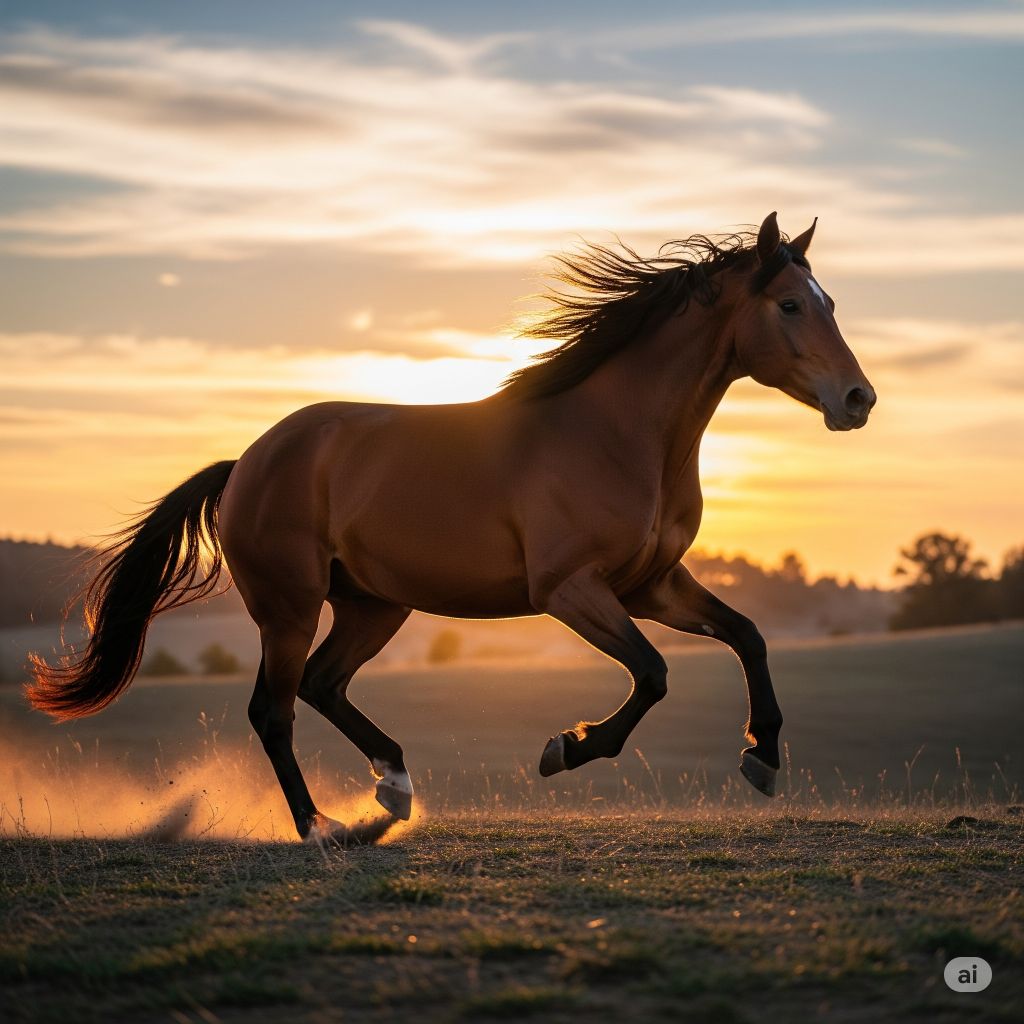
Horses: The Archetype of the Gallop
No discussion of galloping can omit the horse, whose build and physiology have made it the standard against which all other gallopers are measured. Their anatomical specializations include:
- Specialized Tendons and Muscles: Horses possess powerful, elastic tendons in their legs that store and release energy efficiently during each stride. This, paired with dense muscle fibers, allows them to reach maximal speeds with fewer strides.
- Lightweight, Aerodynamic Bodies: Evolution has streamlined the horse’s frame—a narrow torso, long legs, and light bone structure—which contributes to speed and agility.
- Efficient Respiratory System: Horses are obligate nasal breathers, meaning they can take a breath with every stride at a gallop, ensuring maximal oxygen flow to muscles.
Speed Records and Endurance:
- Average gallop: 40–48km/h (25–30mph).
- Top sprint speeds (American Quarter Horse): up to 88.5km/h (55mph) over short distances, making horses the fastest gallopers among large mammals
- Racing Thoroughbreds can maintain near-maximum speed over 1.5 miles (2.4km).
The horse’s gallop combines efficiency and grace, making it a model for both domestication (for racing, travel, and herding) and natural escape from predators.
Zebras and Donkeys: Kindred Sprinters
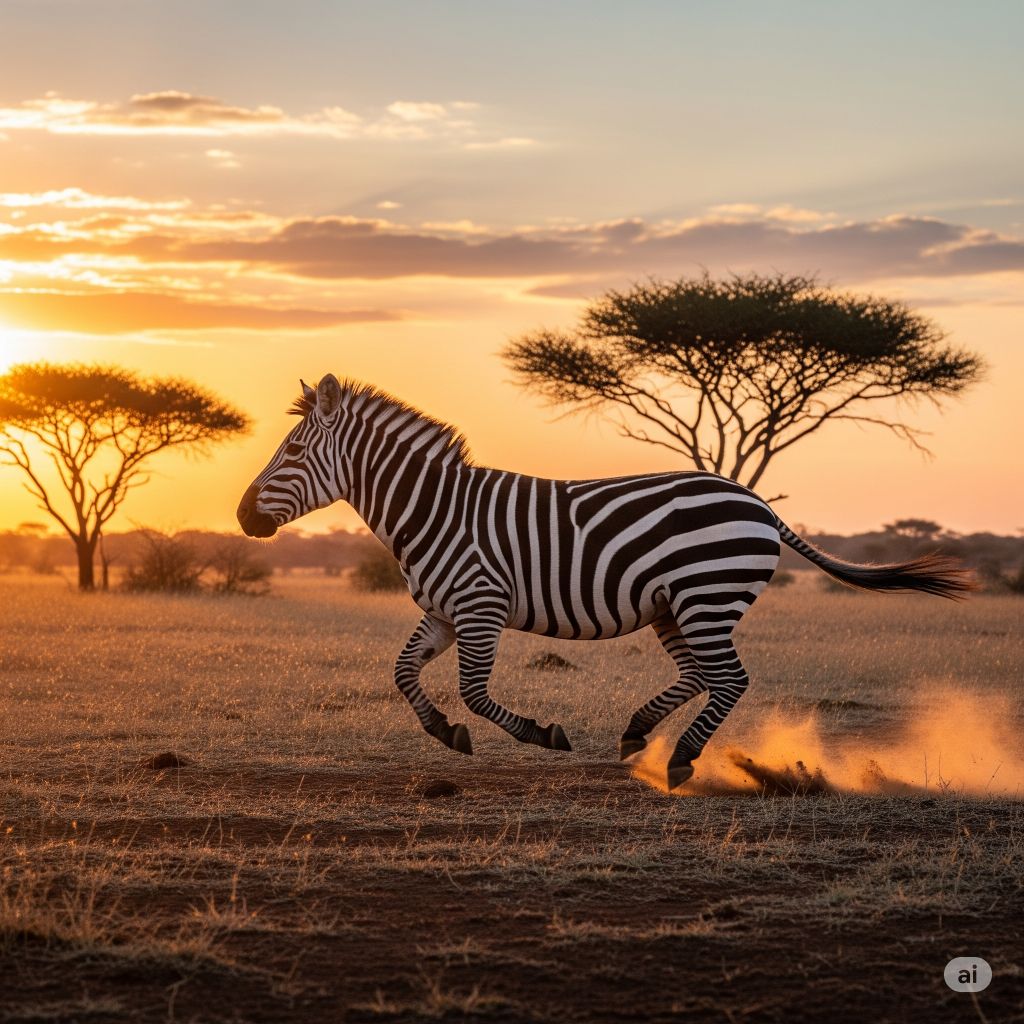
Zebras:
Sharing a close genetic kinship with horses, zebras utilize a transverse gallop, which is foundational to their survival against Africa’s top predators. Though they are slower than horses, with top speeds reported around 64–70km/h (40–43.5mph) zebras compensate with greater agility, able to zigzag and shift directions rapidly to evade capture.
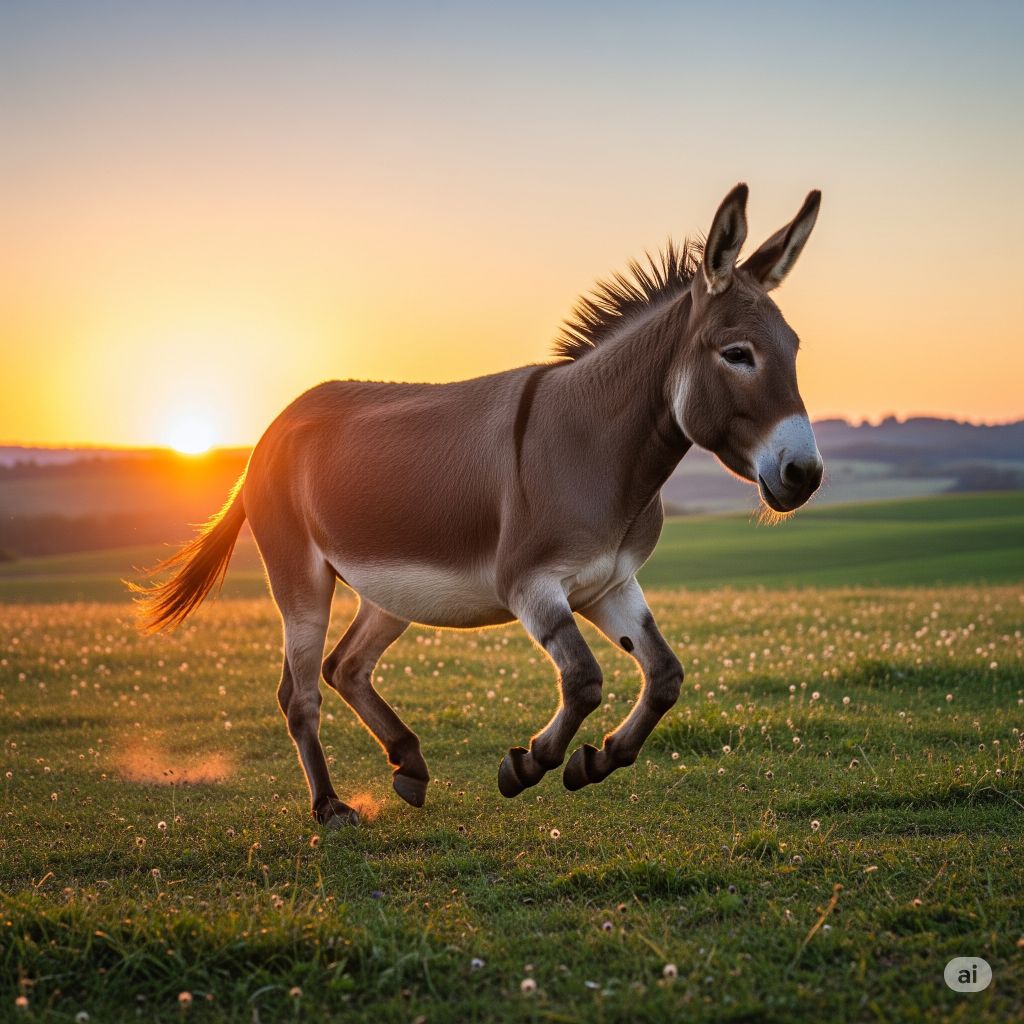
Donkeys:
Typically slower, donkeys use galloping in short bursts when evading threats. Their speed is not as well documented, but their gallop is less about sustained velocity and more about maneuverability and sure-footedness in diverse terrains.
Camels and Llamas: The Desert and Mountain Gallopers
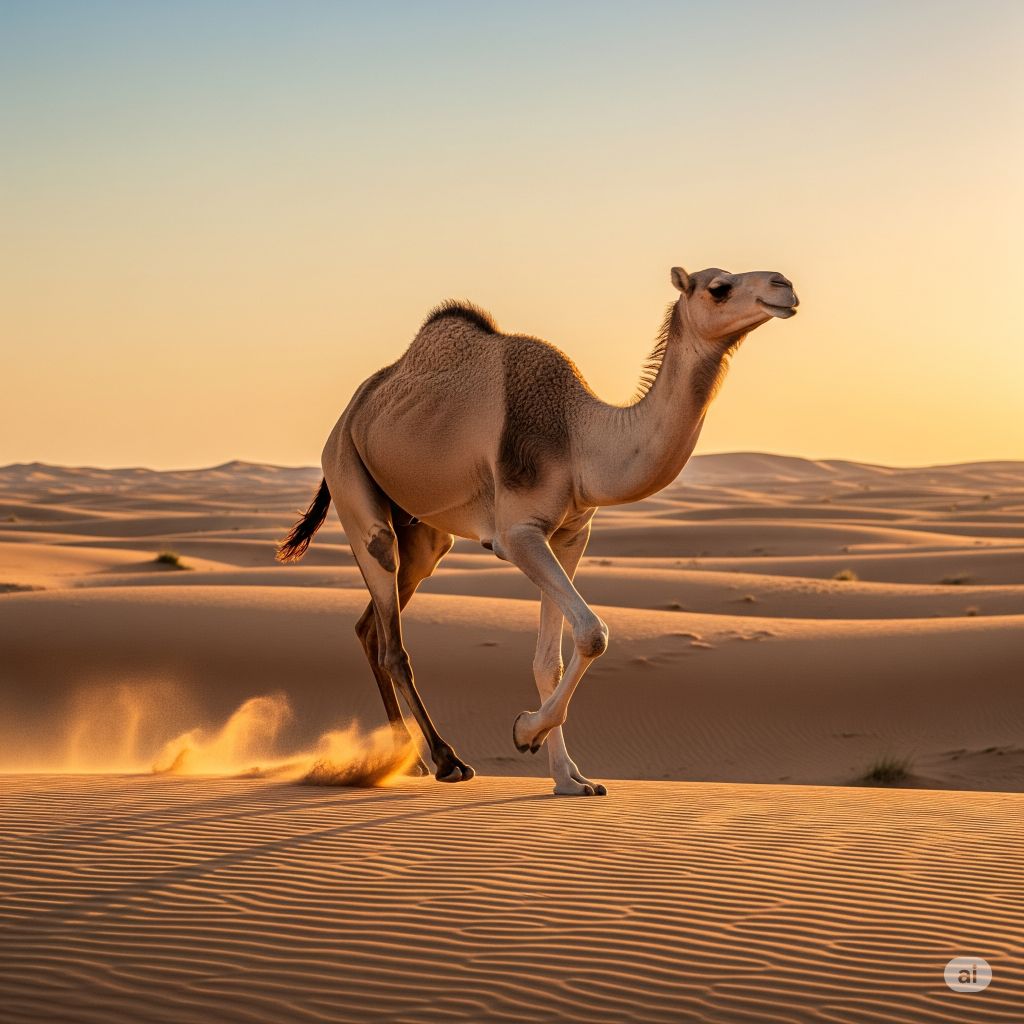
Camels:
Not as elegant as horses in gait, camels employ a three-beat transverse gallop that is well-adapted for desert survival. Dromedary camels, the standard in racing and endurance, can reach sprint speeds of 40–64km/h (25–40mph) and sustain running at 40km/h (25mph) for extended periods, thanks to their remarkable endurance and heat resistance
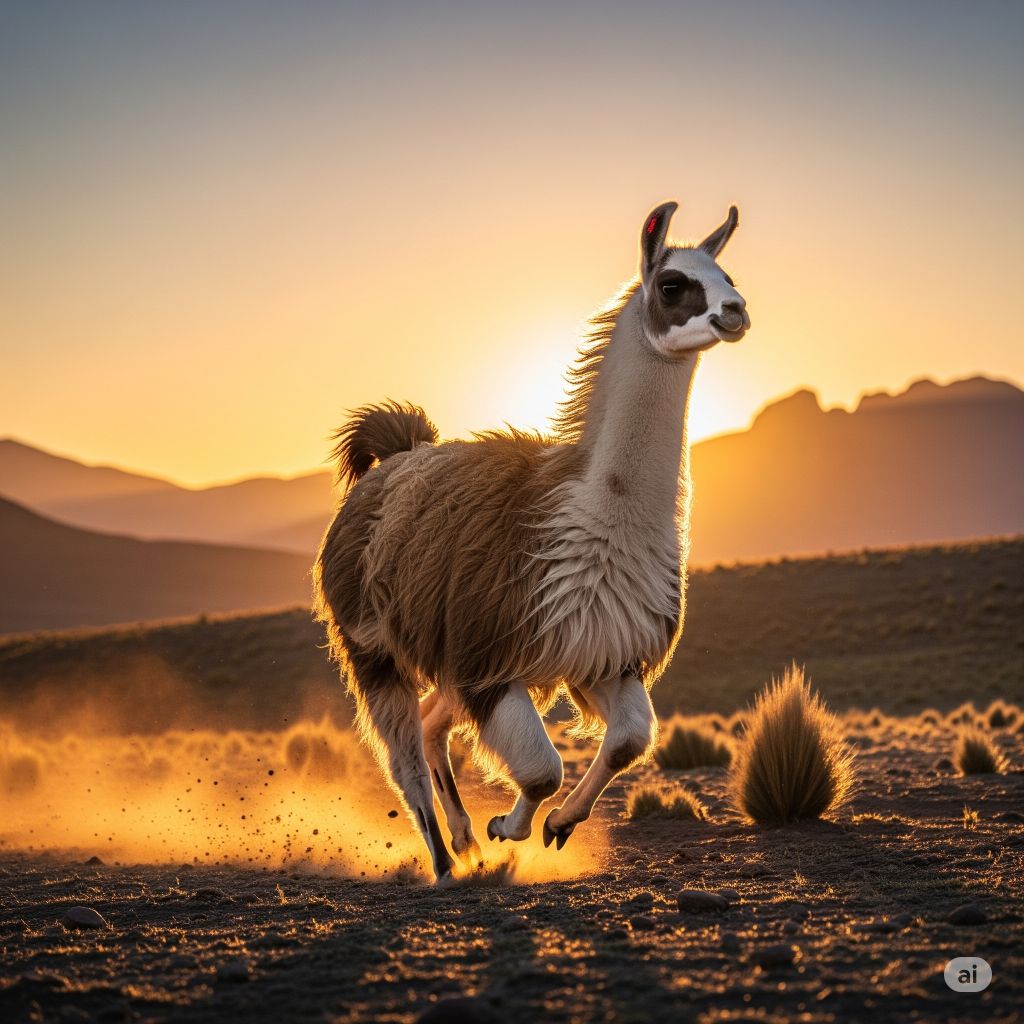
Llamas:
Native to the Andes, llamas gallop at speeds up to 40mph, but only when threatened or highly stimulated. Their gallop, while less graceful, serves as a vital escape mechanism in rugged highland environments
2. Wild Ungulates: Deer, Antelope, Gazelles, Giraffes
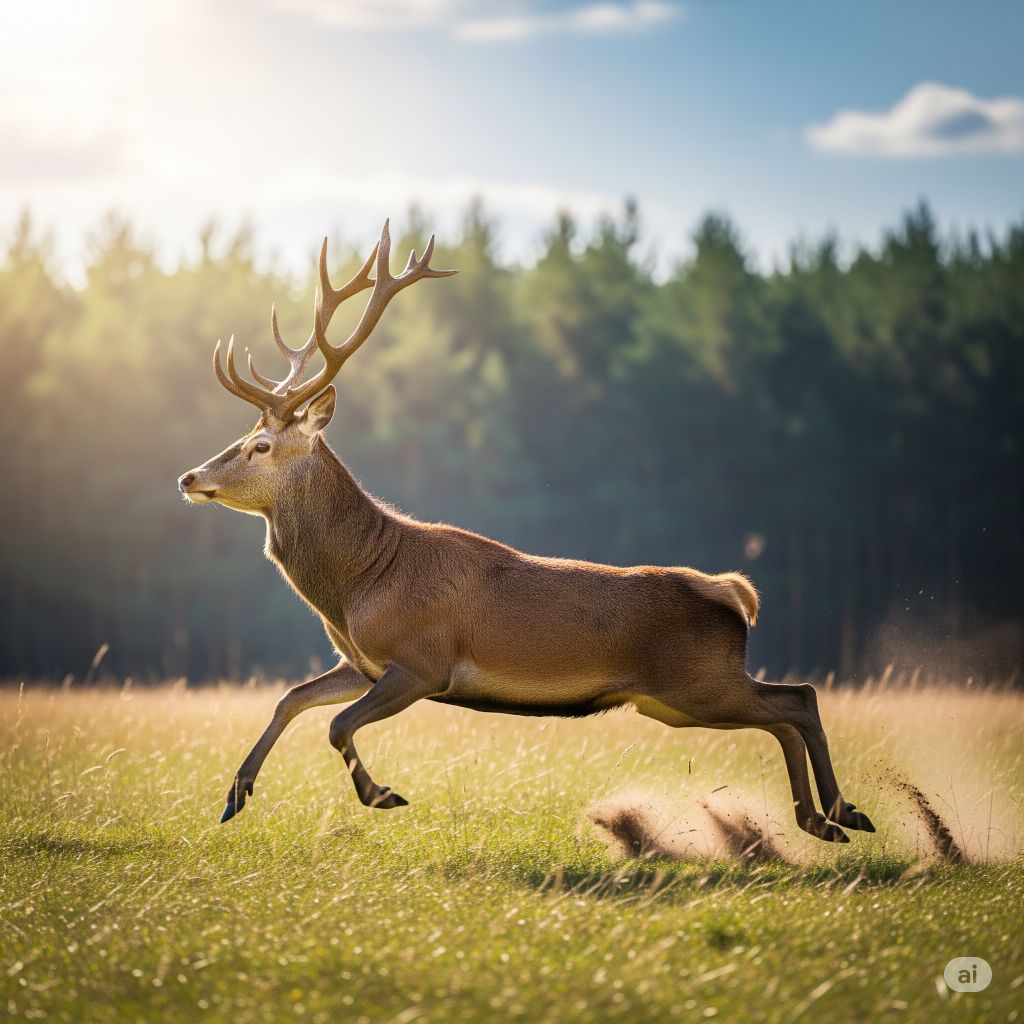
Deer: Agile Forest Sprinters
Deer species—white-tailed, mule, red deer, and others—rely on a bounding gallop when startled or pursued. Features include:
- Agility and Reflexes: Their slender legs and light frames enable quick, darting movements. White-tailed deer can gallop up to 64km/h (40mph) in short spurts and maintain 40–56km/h (25–35mph) for much longer distances—up to several hours—outpacing many predators over distance
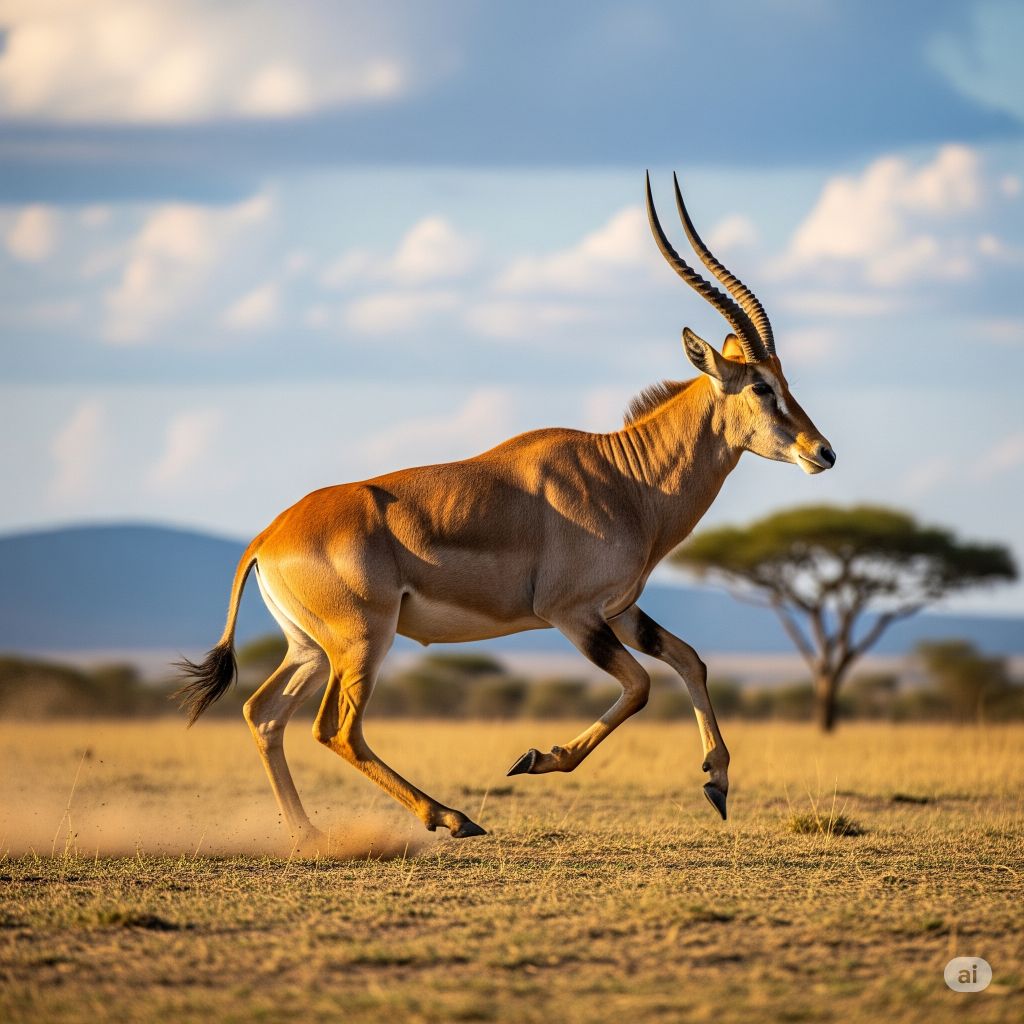
Antelope and Gazelles: The True Speedsters
Pronghorn Antelope:
Native to North America, pronghorns exhibit a double-suspension gallop, allowing both intense acceleration and speed. They can run up to 97km/h (60mph) in sprints and maintain 72km/h (45mph) over longer distances, second only to the cheetah in maximum velocity but superior in endurance
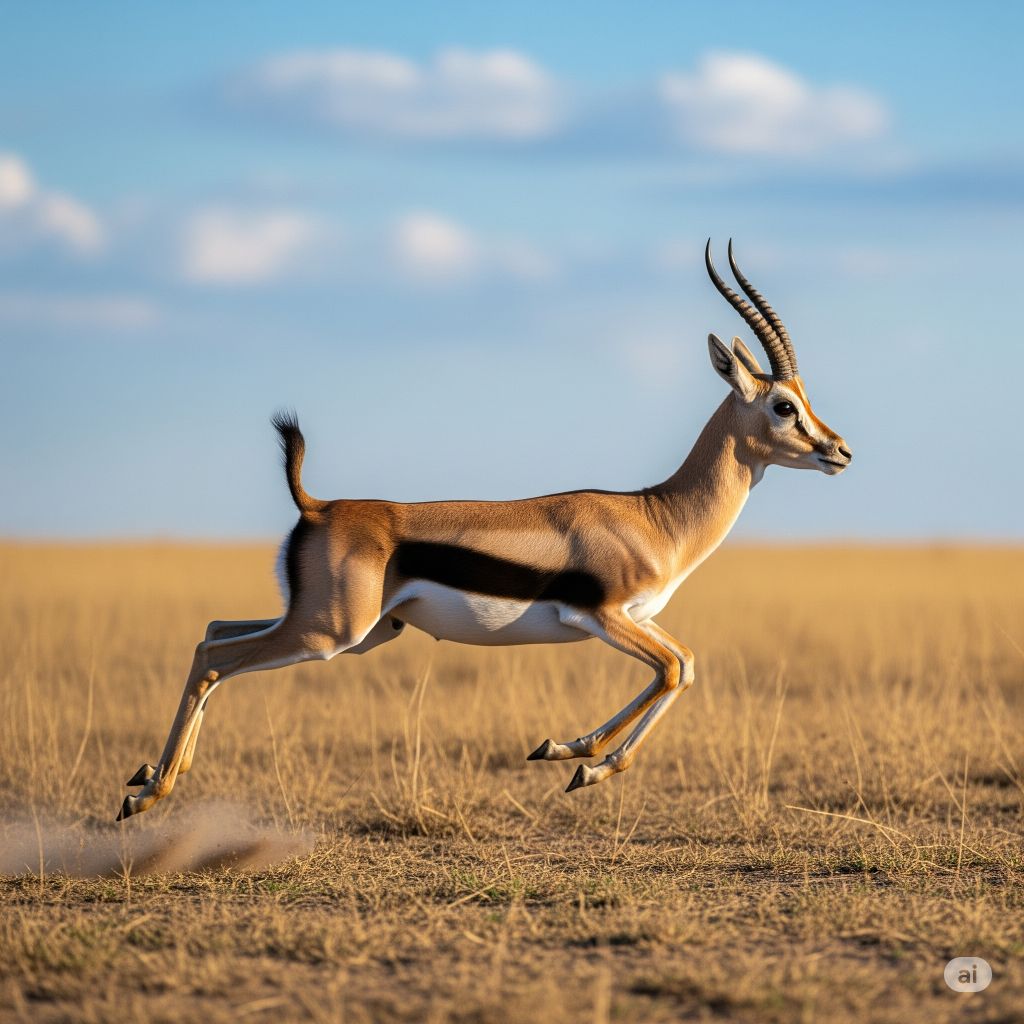
Gazelles and Springbok:
Notable for 88km/h (55mph) sprints, with long, bounding strides that help evade predation. These antelopes can switch rapidly between high-speed runs and angular jumps, called pronking, to confuse pursuers.
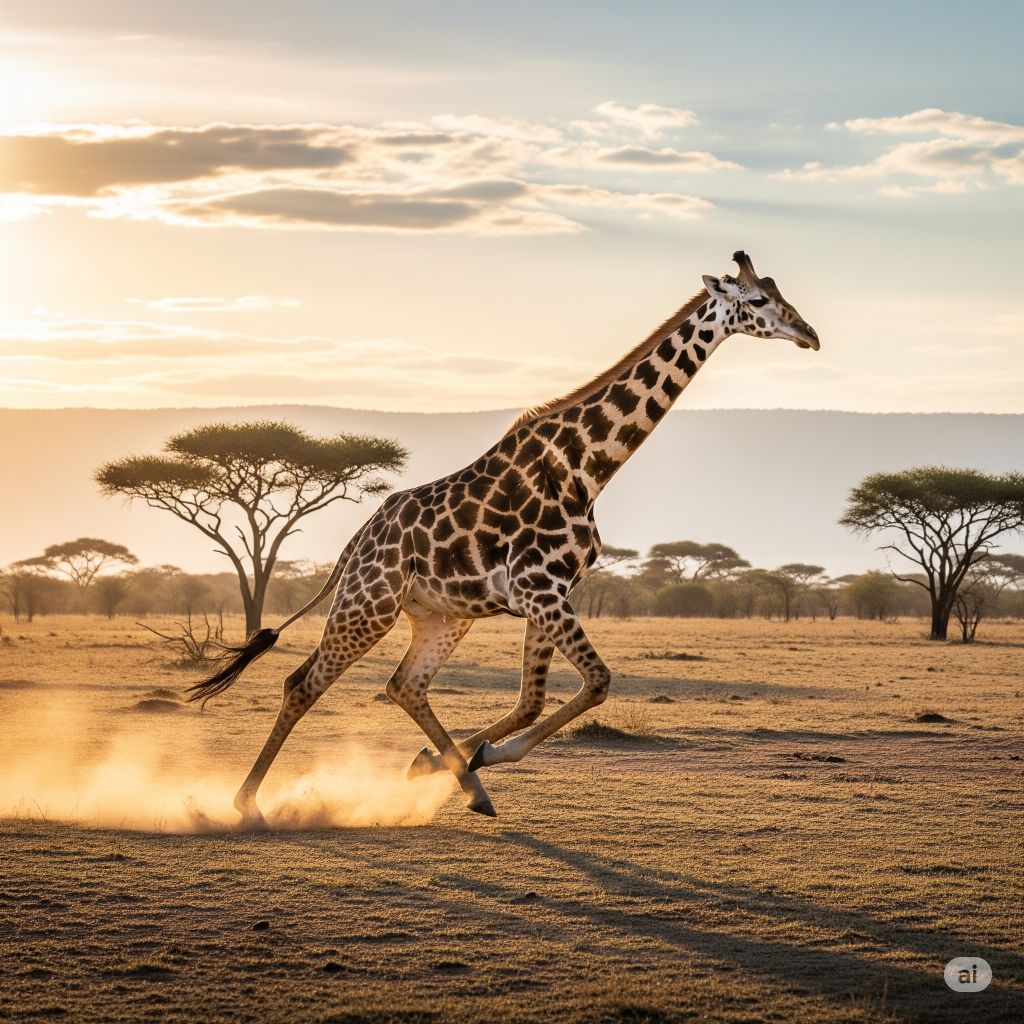
Giraffes: Giants with Surprising Velocity
Despite their elongated necks and odd proportions, giraffes perform a unique, loping gallop where left legs move in tandem, followed by the right, creating a smooth, bounding motion. Their top recorded speed is 56–60km/h (35–38mph). Giraffes use this lopsided but efficient gait to escape predators in short, rapid bursts—especially lions or hyenas
3. Swine, Cattle, and Buffalo: The Hefty Gallopers
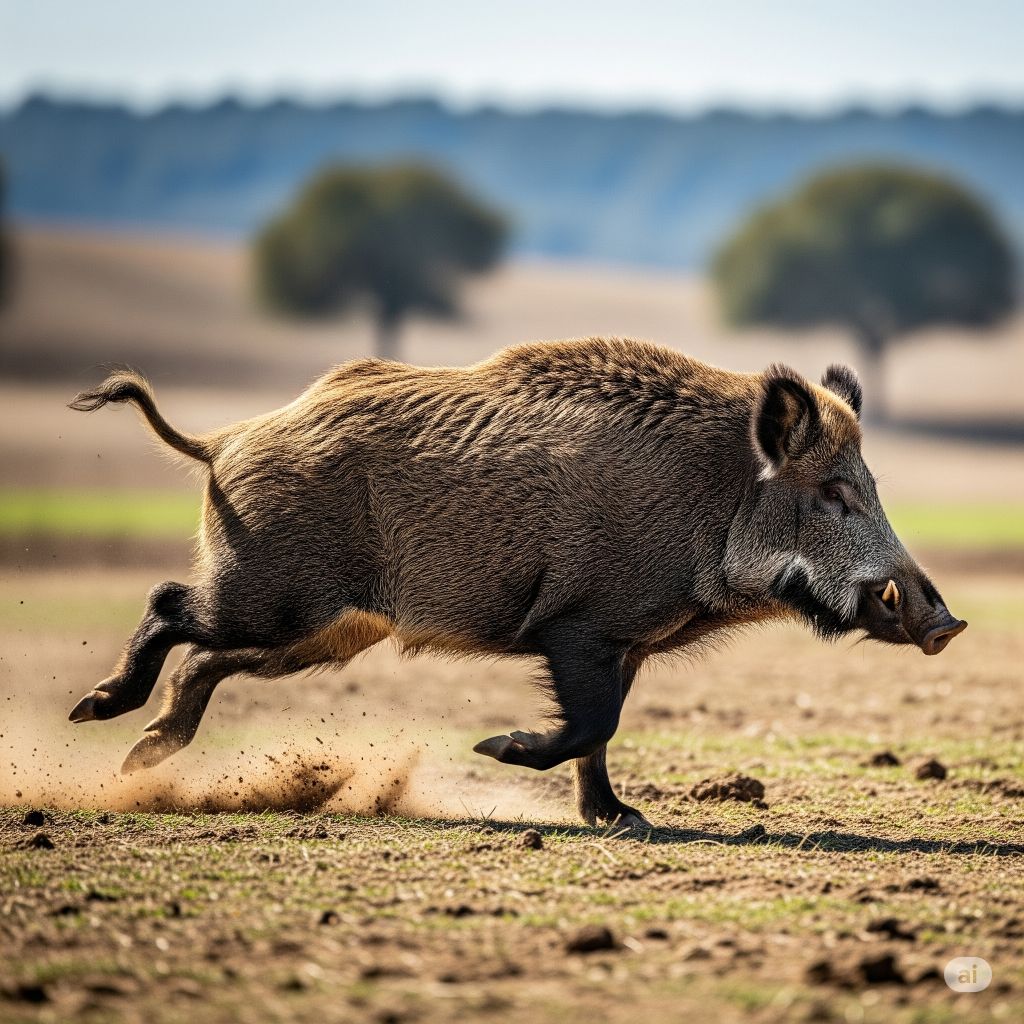
Wild boars, bison, and buffalo, characterized by bulk and strength rather than elegance, exhibit galloping mainly:
- In Escape: To evade predators, wild boars can gallop up to 50km/h (31mph), with impressive acceleration and agility, given their size. Their ability to suddenly change direction exceeds expectations for such robust animals
- During Migration or Aggression: Bison and buffalo may gallop during seasonal movements or when asserting dominance, using their considerable power to propel themselves even through rough terrains.
4. Carnivorous Gallop: Predators in Pursuit
Canids: Wolves and Their Kin
Domestic dogs, wolves, foxes, and coyotes have a rotatory gallop adapted for both speed and distance:
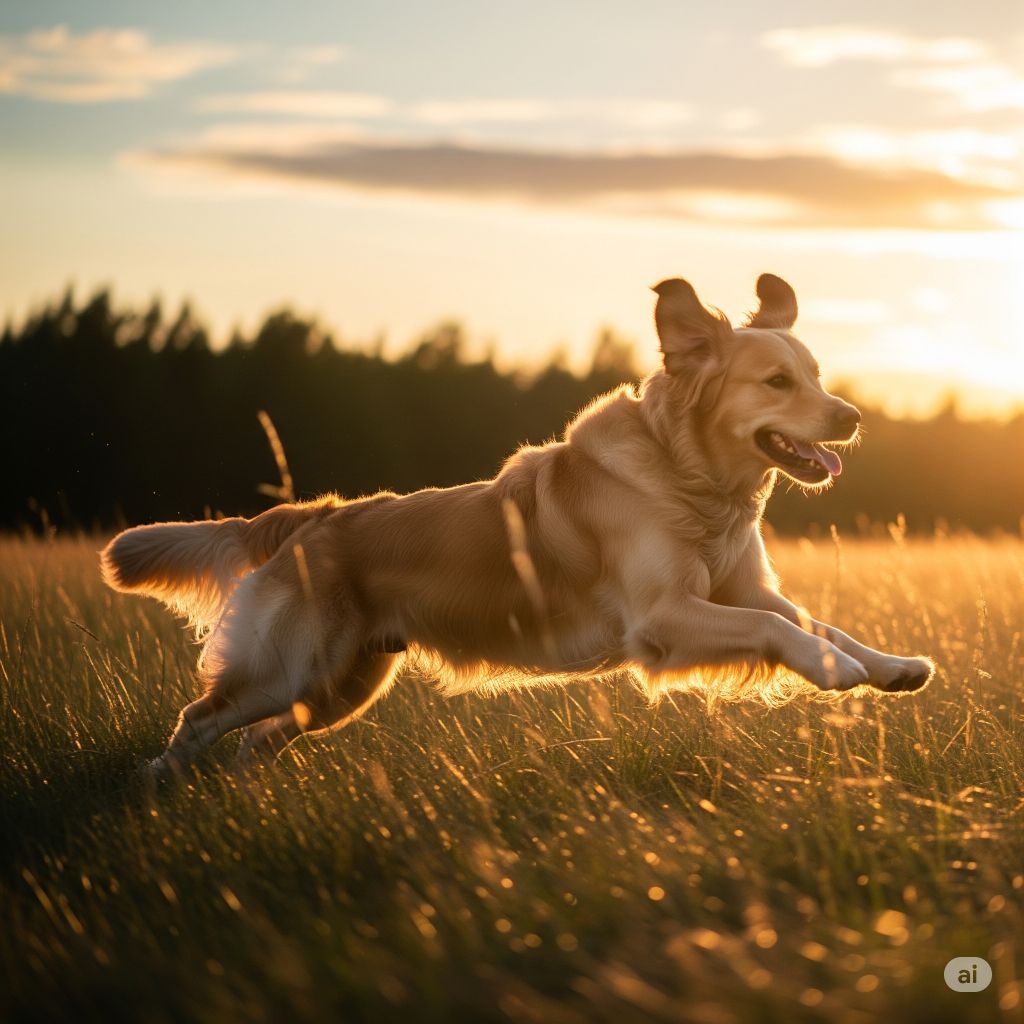
Wolves:
Known for endurance hunting, wolves can reach maximum speeds of 45mph (72km/h) in short bursts, but their primary strength lies in covering vast distances at moderate speeds (up to 45km/h) for extended hunts, supplementing with bursts of galloping to close in on prey
The rotatory gallop, where feet touch the ground in a rapid, revolving sequence, maximizes both stride length and efficiency, ideal for coursing over mixed terrain and snow.
Felines: Champions of Speed and Agility
The big cats represent the pinnacle of predatory galloping:
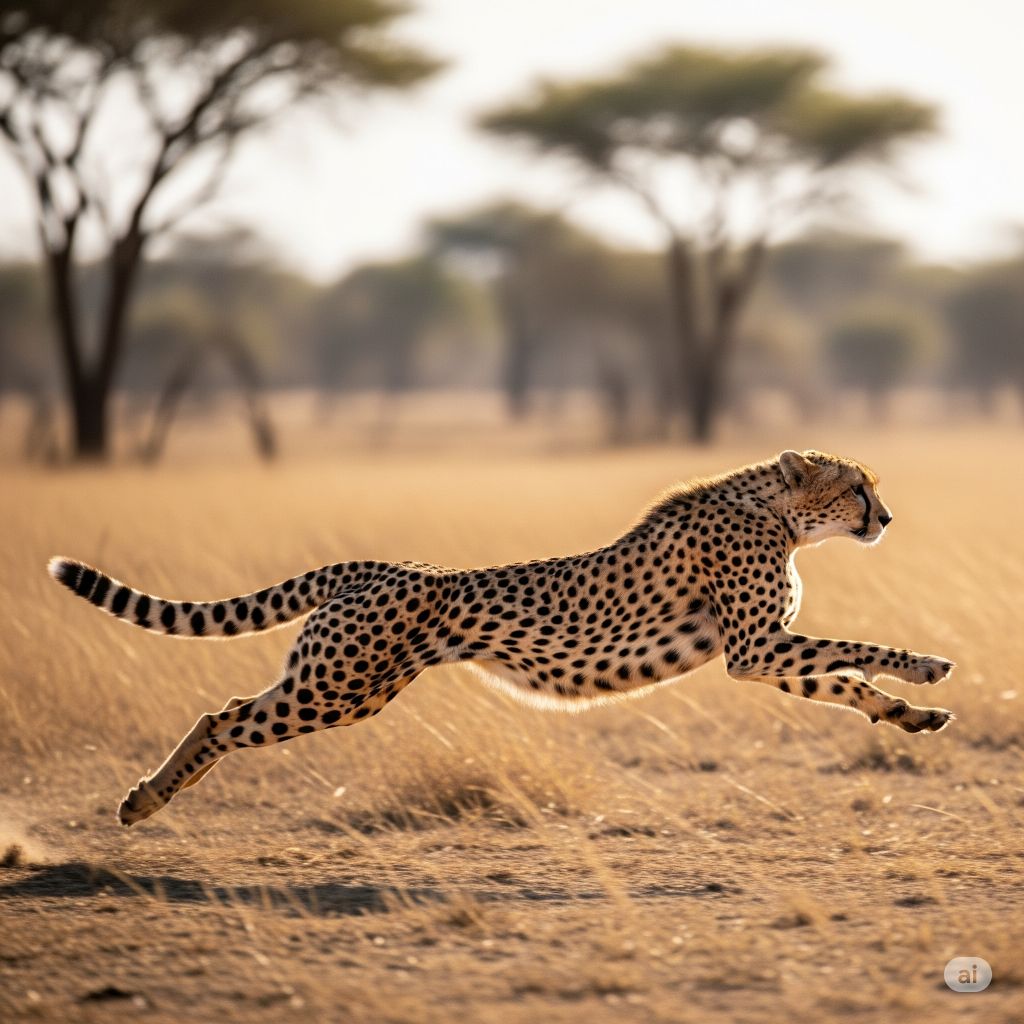
Cheetahs:
The unequivocal world record-holder for land speed, cheetahs can reach 112km/h (70mph), using a pronounced rotatory gallop with double suspension per stride—their spine flexes and extends, greatly increasing stride length. However, this explosive speed can only be maintained for 15 seconds before the animal risks overheating
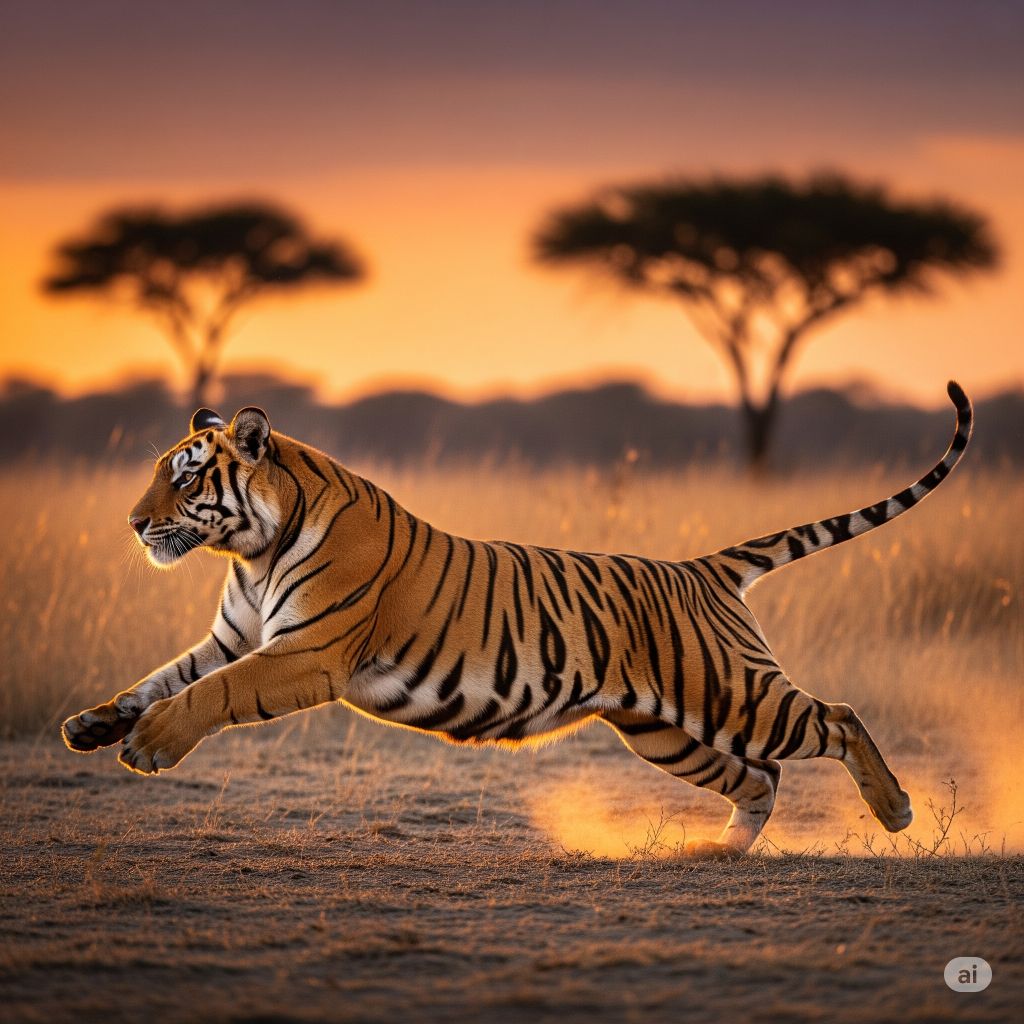
Lions, Tigers, Leopards:
These cats utilize the rotatory gallop for both ambush and chase, typically reaching 80km/h (50mph) in sprints (lions), while leopards are known for bursts of nearly 58km/h (36mph). The gallop in these cats is crucial for rapid acceleration, maneuverability among obstacles, and precise pouncing.
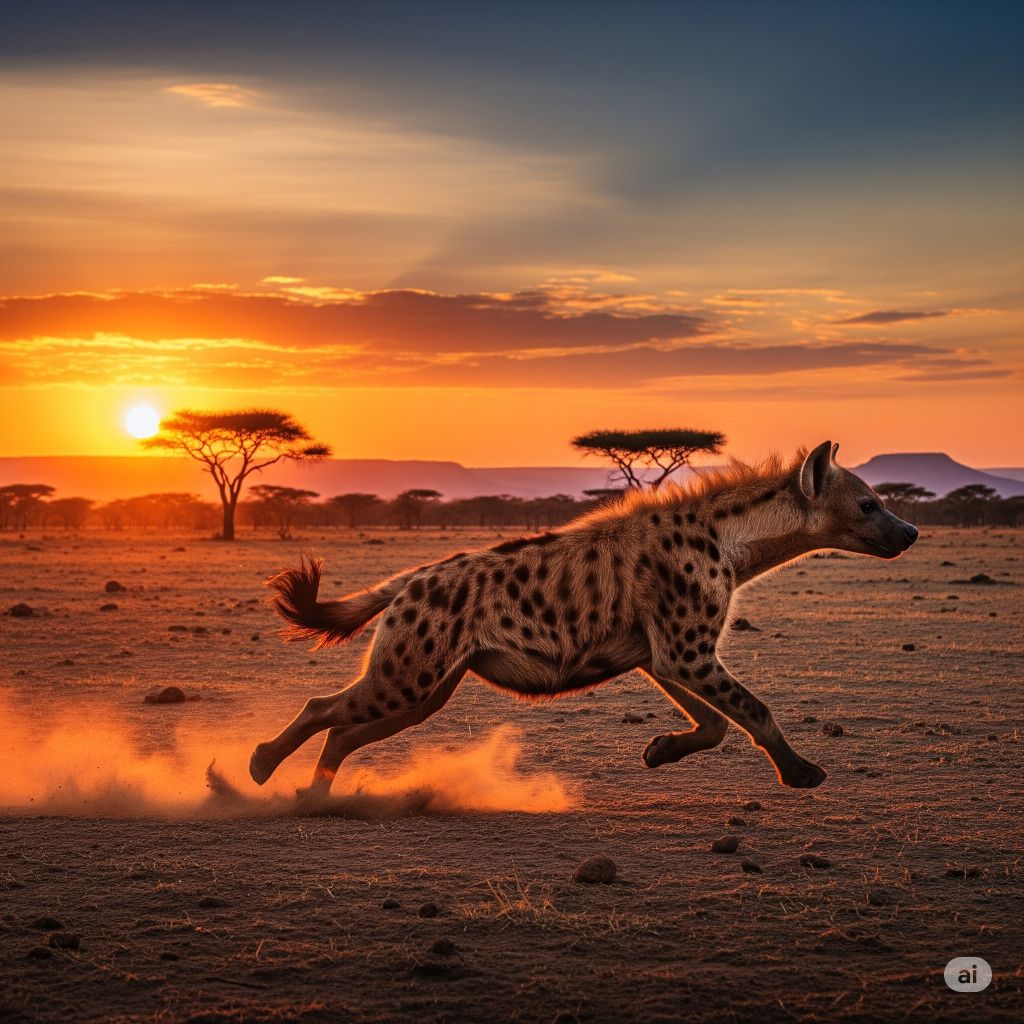
Hyenas: The Stealthy Pursuers
Though often mischaracterized as scavengers, hyenas can switch to a rotatory gallop during chases, capable of reaching surprising speeds (up to 60km/h) in pursuit, especially during coordinated pack hunts.

Bears: Heavyweight Gallopers
Despite their size and lumbering appearance, bears like grizzlies can gallop at up to 56km/h (35mph) for short distances. Their gallop is powerful but less elegant—used for brief defensive or aggressive sprints and occasionally for predatory pursuits.
5. Odd Gallopers: Outliers in the Galloping World
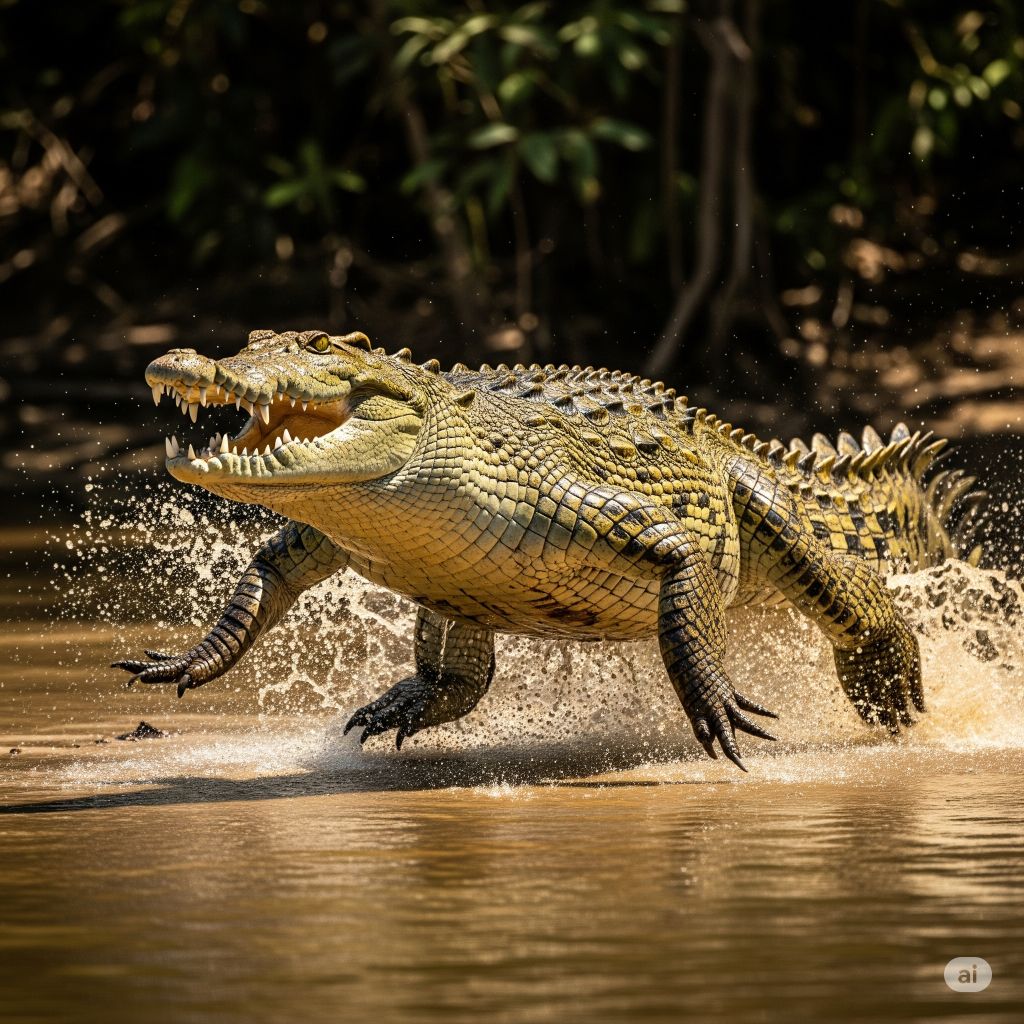
Crocodiles: The Armored Sprinters
Among reptiles, certain crocodile species (notably the Australian freshwater crocodile) are capable of a rare, short gallop, lifting their bodies clear of the ground to surprise prey or escape peril. This athletic feat results in top speeds of 32km/h (20mph) for brief moments—an impressive display from such heavily armored animals.
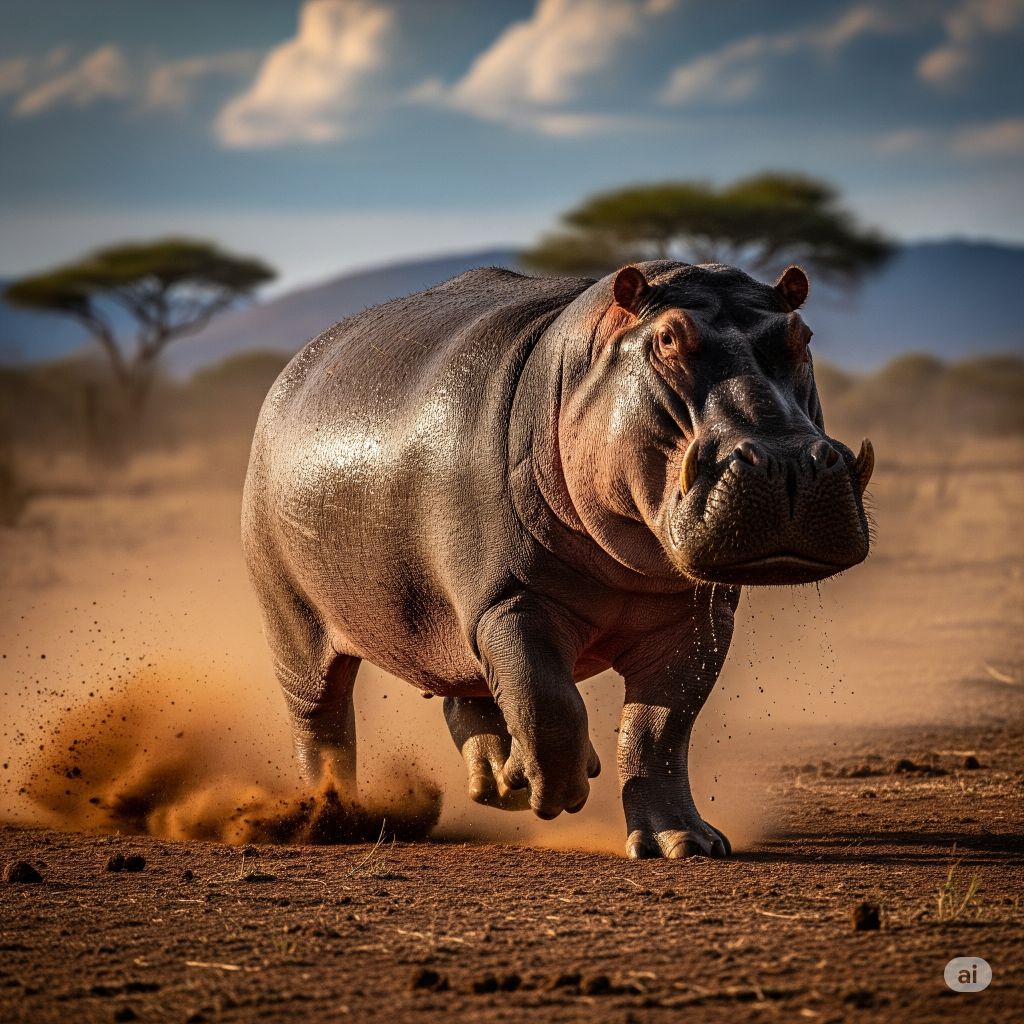
Hippopotamuses: Aquatic and Terrestrial Gallop
Though generally perceived as sluggish, hippos can perform a heavy, pounding gallop both underwater (where buoyancy helps propel them) and on land. When threatened, a hippopotamus can reach speeds sufficient for all four feet to leave the ground momentarily in a true gallop—a striking contrast to its typical slow gait.
How Galloping Works: Physiology and Mechanics
The Mechanics
- Musculoskeletal Adaptations: Galloping animals feature elongated limbs, extensive tendons, and specialized joint structures to absorb the shock and recycle energy with each stride.
- Back Flexibility: For many species (such as cats and dogs), a flexible spine acts like a spring, greatly increasing stride length and speed during the suspension phase.
Double Suspension
- Energy Recycling: In the rotatory gallop, there are two suspension phases per stride, maximizing momentum and acceleration (seen in cheetahs and greyhounds).
- Aerodynamics: Some gallopers (like horses) streamline their bodies, tucking limbs close to minimize drag and maximize efficiency.
Nervous System Control
Precisely coordinated nervous system signaling ensures effective timing of limb movements, preventing stumbles at high speed and allowing rapid changes in direction—a necessity for both predator and prey.
Adaptations Across Habitats
Open Land
- Plains, savannas, and deserts are ideal for galloping, providing the space needed for high-speed movement.
- Animals here (e.g., antelope, horses) are among the fastest gallopers, relying on speed for migration or predator evasion.
Forests and Scrub
- Galloping is more controlled, requiring agility and the ability to change direction quickly.
Wetlands and Water
- Animals like hippos and crocodiles use modified gallops suited for buoyancy or rapid surges across muddy ground or shallow water.
The Evolution of Galloping
Galloping likely emerged as a response to the arms race between predators and prey. As prey animals evolved to run faster to avoid being eaten, predators were concurrently selected for speed to capture them. This pressure led to specialized anatomy, physiology, and even behavior, evident in modern galloping species.
- Convergent Evolution: Unrelated groups (e.g., horses, antelope, big cats) evolved similar gaits as solutions to similar ecological challenges—speed, escape, and hunting.
- Fossil Evidence: Ancient ancestors of horses and other modern gallopers show progressive lengthening of limbs, reduction of toes, and streamlining of body form over millions of years[4][5].
Gallop Gait Table: Examples and Their Maximum Speeds
| Animal | Gallop Type | Maximum Speed (km/h) | Notable Adaptations |
|---|---|---|---|
| Horse | Transverse | 88.5 | Long limbs, strong tendons, large heart |
| Zebra | Transverse | 64 | Striped camouflage, endurance |
| Cheetah | Rotatory | 112 | Flexible spine, long legs, double suspension |
| Greyhound (Dog) | Rotatory | 72 | Streamlined body, flexible back |
| Lion | Rotatory | 80 | Powerful forelimbs, short bursts |
| Pronghorn Antelope | Rotatory | 97 | Large nasal passages (cooling), high stamina |
| Deer | Transverse | 80 | Agility, high jump capability |
| Camel | Transverse | 40 | Fat stores, long stride, endurance |
| Crocodile | Modified Gallop | 20 | Muscular tail, short surges |
| Giraffe | Transverse | 56 | Long neck, high vantage point |
| Bear | Transverse | 56 | Massive muscle mass, padded paws |
| Wild Boar | Transverse | 48 | Compact, muscular build |
| Llama | Transverse | 64 | High-altitude lungs, padded feet |
| Hyena | Rotatory | 65 | Strong jaw, stamina, social hunting |
| Hippo | Modified Gallop | 30 | Semi-aquatic movement, bulk |
Cultural and Human Significance
Galloping has inspired human art, sport, and mythology for centuries. Horses were among the earliest domesticated gallopers, playing pivotal roles in travel, warfare, agriculture, and recreation. Pony, camel, and dog races remain significant cultural events in societies worldwide. Galloping motifs appear in traditional dances, stories, and even modern branding, symbolizing freedom, speed, and untamed power.
Conclusion: The Gallop’s Place in Nature and Beyond
Galloping is more than just a fast way to get around; it is a marvel of evolutionary engineering and a showcase of the animal kingdom’s incredible diversity. Whether it’s the thunder of horses’ hooves, the explosive sprint of a hunting cheetah, or the unexpected gallop of a crocodile, this gait carries speed, drama, and wonder across the world’s landscapes. Each galloping animal is the product of millions of years of adaptation—reminding us that, in the race for survival, speed, power, and coordination can be the difference between life and death.
From open plains to tangled forests, deserts to riverbanks, the galloping gait continues to astound, inspire, and define the shapes and stories of wild lives everywhere.
References to Key Concepts and Animals
This report was informed by a wide variety of animal science and naturalist sources on galloping animals and their evolutionary trait.
Citations:
Gallop | Horse, Quadruped & Gait | Britannica
Jumping animals – Animalia
Which animal can gallop? – The Environmental Literacy Council

94% of pet owners say their animal pal makes them smile more than once a day. In 2007, I realized that I was made for saving Animals. My father is a Vet, and I think every pet deserves one. I started this blog, “InPetCare”, in 2019 with my father to enlighten a wider audience.