
As pet owners, we are committed to providing a clean and comfortable environment for our furry companions. A common concern that arises is whether it’s safe to use household disinfectants like Lysol on our dog’s bedding. While the desire to maintain cleanliness is understandable, it’s crucial to be informed about the potential risks and benefits associated with using such products.
In this comprehensive article, we’ll delve into the topic of using Lysol on dog beds, exploring the implications, safety considerations, and alternative approaches to keeping your pet’s resting place clean.
Balancing Cleanliness and Safety for Pets
A clean environment is essential for the health and well-being of both humans and pets. However, when it comes to using household disinfectants like Lysol on items that come into contact with our furry friends, it’s important to approach with caution. While these products can effectively eliminate germs and odors, their use should be carefully considered in light of potential risks to our pets’ health.
Understanding Lysol and Its Ingredients
Lysol is a well-known disinfectant that contains active ingredients designed to kill bacteria, viruses, and fungi. Common formulations of Lysol may include substances such as ethanol, alkyl dimethyl benzyl ammonium chlorides, and hydrogen peroxide.
Risks of Using Lysol on Dog Beds
While Lysol can be effective in disinfecting surfaces, there are risks associated with using it on dog beds:
1. Chemical Residue: The residues left behind by Lysol can be harmful if they come into contact with a dog’s skin, paws, or if ingested.
2. Respiratory Irritation: Dogs have a heightened sense of smell, and strong chemical odors like those produced by Lysol can irritate their sensitive respiratory systems.
3. Allergies: Dogs can develop allergies to certain chemicals found in disinfectants, leading to skin irritation, itching, and discomfort.
4. Ingestion Risk: Dogs may lick or chew on their bedding, which could lead to ingestion of Lysol residues.
Potential Harmful Effects on Dogs
Exposure to disinfectants like Lysol can lead to a range of potential harmful effects in dogs:
1. Skin Irritation: Contact with Lysol residues can cause skin redness, itchiness, and discomfort.
2. Digestive Issues: If a dog ingests Lysol residues, it may lead to digestive upset, nausea, vomiting, and diarrhea.
3. Respiratory Distress: Inhaling the strong fumes of disinfectants like Lysol can trigger respiratory distress in dogs.
4. Allergic Reactions: Dogs can develop allergies to specific chemicals in cleaning products, leading to various allergic reactions.
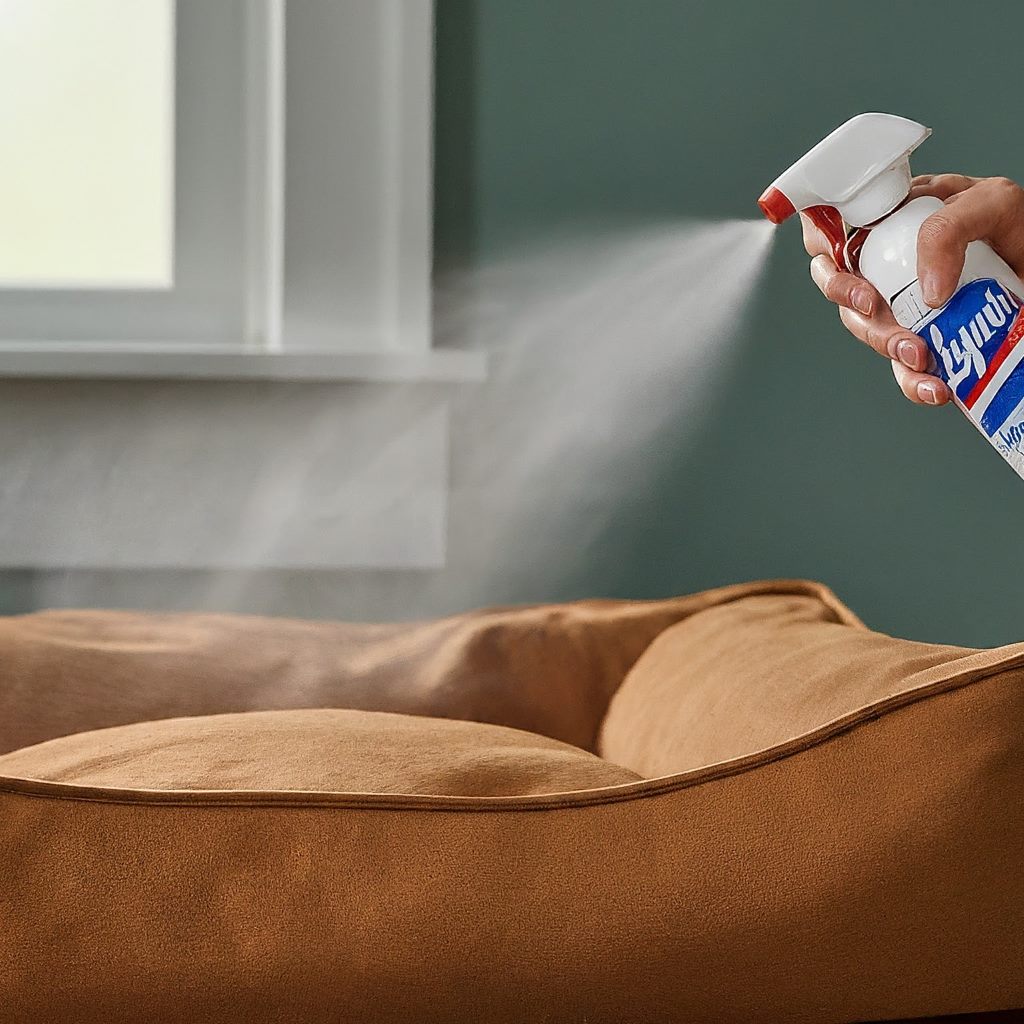
3 Safer Alternatives for Disinfecting Dog Beddings
Instead of using Lysol, consider safer alternatives to disinfect your dog’s bedding:
1. Pet-Safe Disinfectants: Look for disinfectants specifically formulated for pets that are free from harsh chemicals.
2. Vinegar Solution: A mixture of water and white vinegar can be effective in removing odors and killing germs without the use of harsh chemicals.
3. Baking Soda: Sprinkling baking soda on the bedding, letting it sit, and then vacuuming it off can help neutralize odors.
Best Practices for Cleaning Dog Beds
Follow these best practices when cleaning your dog’s bedding:
1. Regular Washing: Wash removable covers according to manufacturer instructions.
2. Gentle Detergents: Use pet-safe or hypoallergenic detergents when washing bedding.
3. Air Drying: Avoid using high heat to dry bedding, as it can damage materials and cause shrinking.
4. Frequent Vacuuming: Regularly vacuum the area around your dog’s bedding to remove dirt and pet hair.
Choosing Pet-Safe Cleaning Products
When selecting cleaning products for your home:
1. Read Labels: Choose products that are labeled as safe for pets and free from harmful chemicals.
2. Avoid Strong Scents: Opt for products with mild scents to prevent respiratory irritation in pets.
No products found.
Allergies and Sensitivities in Dogs
It’s important to be aware of your dog’s sensitivities and allergies:
1. Monitor Reactions: Pay attention to any changes in your dog’s behavior, skin, or respiratory health after using cleaning products.
2. Consult Your Veterinarian: If you suspect that your dog is experiencing adverse effects from cleaning products, consult your veterinarian.
Consulting Your Veterinarian
If you’re uncertain about using disinfectants on your dog’s bedding, consult your veterinarian for guidance:
1. Individual Factors: Your veterinarian can consider your dog’s specific health needs and sensitivities.
2. Recommendations: Your veterinarian can recommend suitable pet-safe products and cleaning practices.
Conclusion: Prioritizing Pet Health and Well-Being
While maintaining a clean environment is important for both humans and pets, it’s crucial to prioritize the health and well-being of our furry companions. While Lysol and similar disinfectants can effectively eliminate germs, the potential risks to dogs’ health should not be overlooked.
Safer alternatives, such as pet-safe disinfectants, vinegar solutions, and baking soda, can effectively clean and deodorize dog bedding without exposing pets to harmful chemicals. By making informed choices and considering the safety of our pets, we can strike a balance between cleanliness and their overall health and happiness.

94% of pet owners say their animal pal makes them smile more than once a day. In 2007, I realized that I was made for saving Animals. My father is a Vet, and I think every pet deserves one. I started this blog, “InPetCare”, in 2019 with my father to enlighten a wider audience.